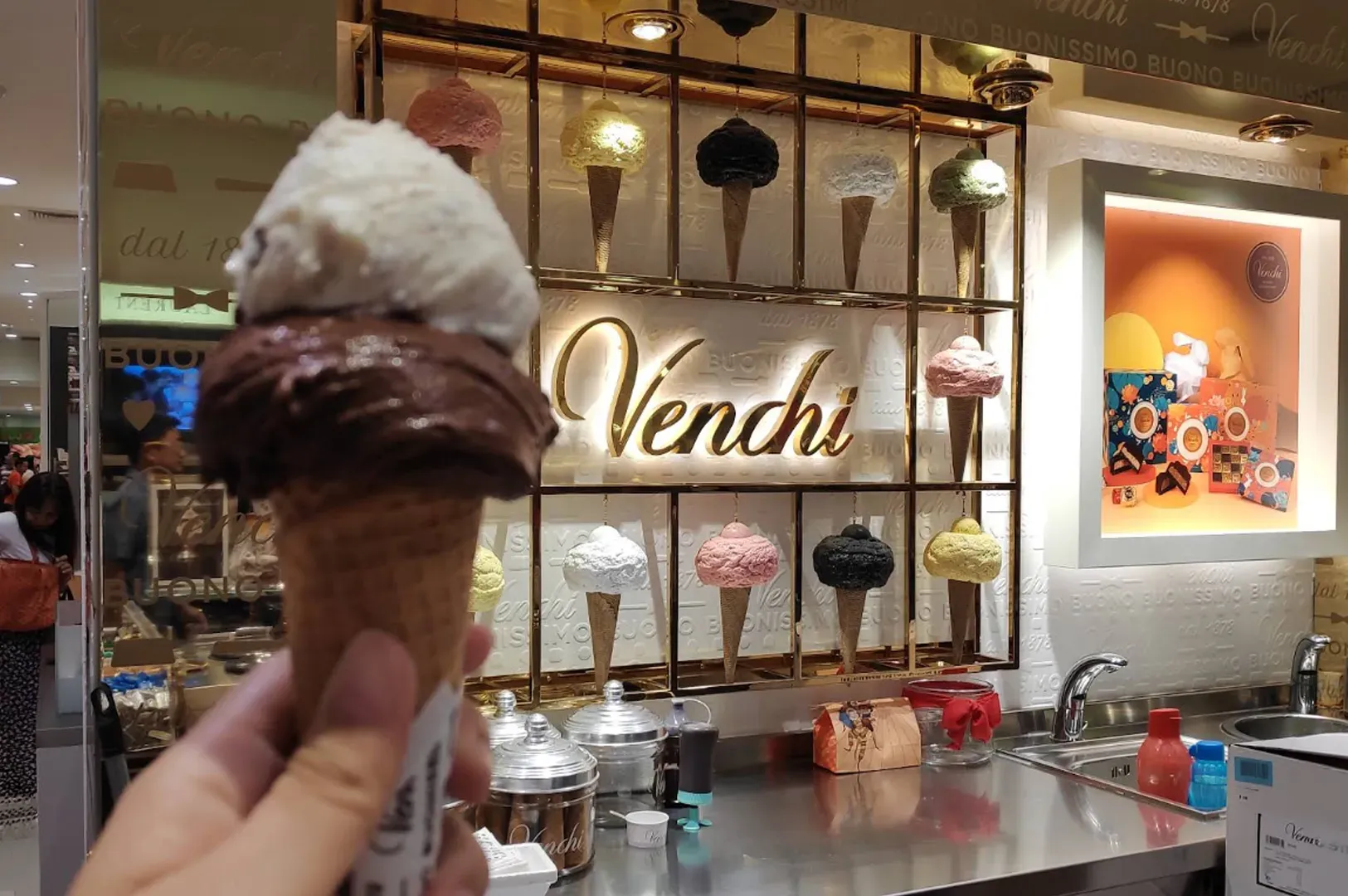
Gelato Singapore: How Our Scoops Differ from Italian Gelato

Quick answer: Gelato in Singapore follows the Italian method—more milk than cream, churned slowly, served warmer than ice cream—but local shops adapt it for the tropics. Expect lighter, sweeter scoops, tropical flavours like durian and Alphonso mango, and prices from S$5 to S$12 per scoop.
When I first tried gelato here after Florence, the local scoop felt lighter, sweeter, and more playful. The colours—soft Alphonso mango, deep charcoal sesame, pale lychee—reflected local tastes.
Singapore gelato isn’t a watered-down Italian copy. It’s crafted for
our weather, palate, and love of bold tropical flavour. Here's what I’ve learned about real gelato, how local versions differ, and how to spot a great scoop.
What Is Gelato, Really?

Before we talk about how Singapore does it, let's get the basics right. Gelato and ice cream are not the same thing, even though they look like cousins in the freezer.
Italian gelato has three defining traits:
- More milk, less cream. Gelato uses a higher proportion of milk and far less cream than ice cream, so it typically lands around 5–9% fat while ice cream is often over 10%. Traditional ice cream also often uses egg yolks, unlike gelato, which usually does not. That means less fat coating your tongue, so the flavours come through clearer and brighter.
- Less air (low overrun). "Overrun" is the amount of air churned into the base. Ice cream can be up to 50% air. Traditional gelato is churned slowly, so it holds far less—giving it that dense, almost elastic texture.
- Served warmer. Gelato is kept a few degrees warmer than ice cream, usually around -12°C, or about 10–15°F versus ice cream at roughly 5–10°F. This is why a good scoop feels soft and slow-melting, releasing flavour the moment it hits your mouth instead of numbing your tongue.
The result is a dessert that's
denser, smoother, and more intensely flavoured than ice cream. In Italy, the classics rule: pistachio, stracciatella, nocciola (hazelnut), fior di latte, and bright fruit sorbets.
How Singaporean Gelato Differs
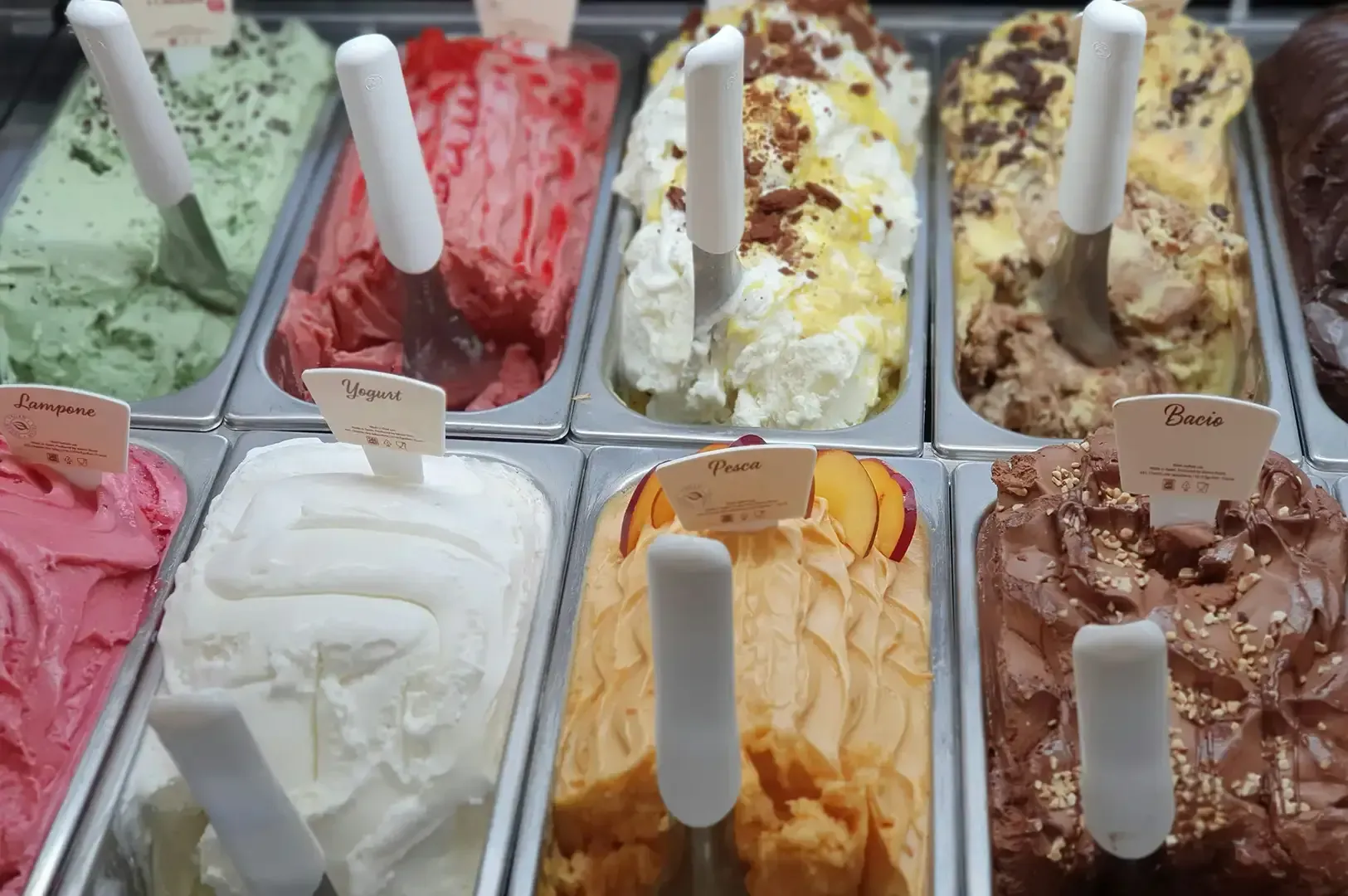
Here's where it gets interesting. When you take an Italian craft and drop it into a tropical city, things shift.
The texture is often lighter. In our heat, an ultra-dense scoop can feel heavy fast. Many local makers churn their gelato to a slightly airier, more refreshing texture. It melts quicker too—partly the climate, partly the recipe. It's a practical adaptation more than a flaw.
The sweetness leans higher. Singaporean palates tend to enjoy a touch more sweetness, and many shops adjust accordingly. When I taste a local fior di latte next to an Italian one, ours often reads a little sweeter and rounder.
The flavours go tropical—and very local. This is the best part. Alongside pistachio and chocolate, you'll find durian, Alphonso mango, lychee, gula melaka, pandan, black sesame, white chrysanthemum, hojicha, and even teh tarik. These aren't gimmicks. They're flavours we actually grew up with, churned into something cool and creamy.
Innovation is everywhere. Local shops love to play, and that includes botanical flavours like earl grey alongside savoury notes and unexpected pairings you'd rarely see in a traditional Italian gelateria. You'll spot gelato tucked between toasted buns (panini gelato), folded into croffles, or topped onto waffles.
When I first tasted a proper gula melaka scoop—smoky palm sugar running through cold, creamy gelato—it didn't taste like a copy of anything. It tasted like home.
If you want to go deeper into how our dessert culture shapes flavours like these, read more here:
https://www.sgdessertlover.com/a-delicious-journey-into-the-irresistible-flavors-and-rich-culture-of-singapores-sweet-desserts-scene
How to Recognise High-Quality Gelato in Singapore
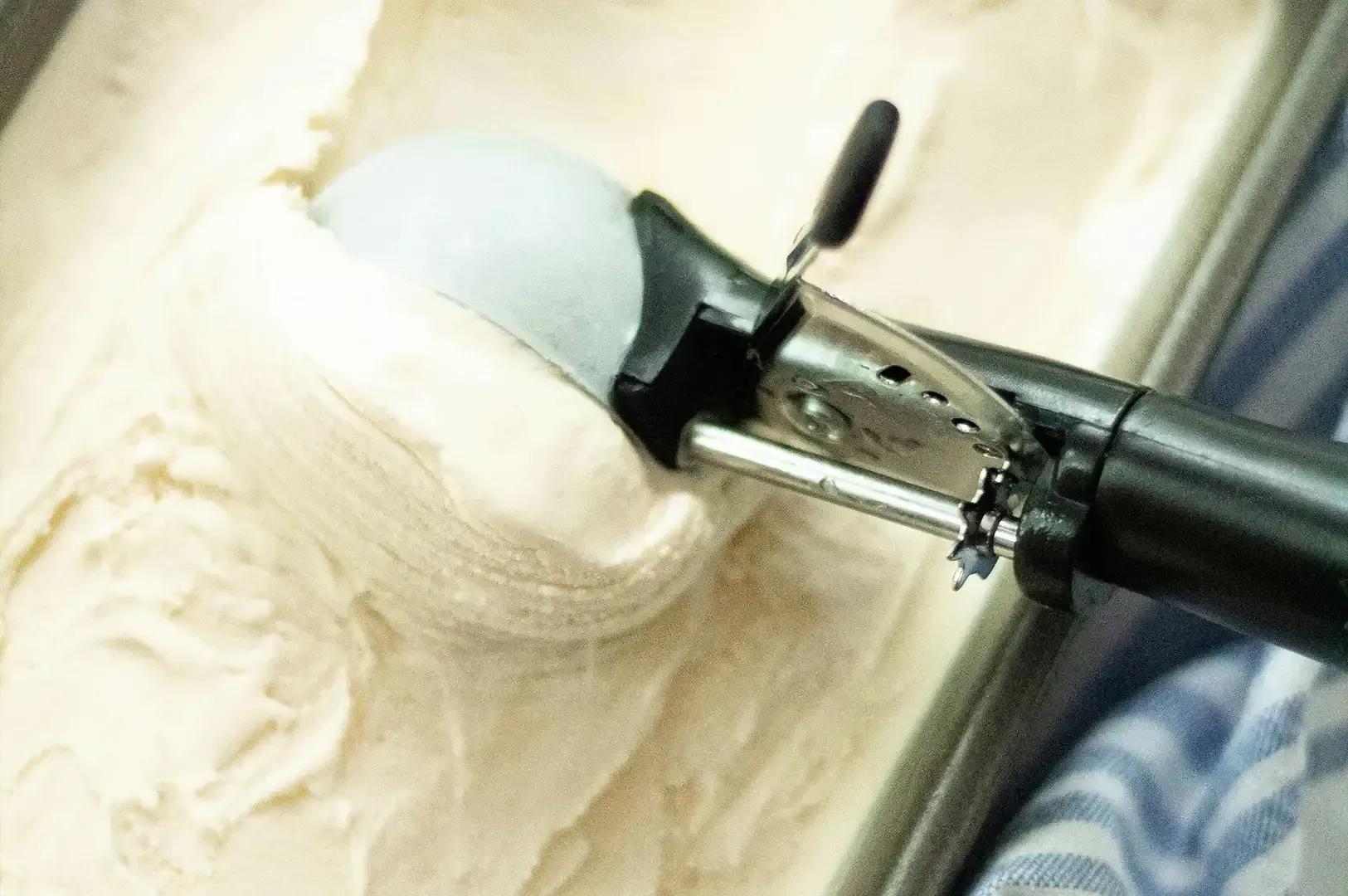
After enough scoops, you start to notice patterns. Here's what I look for now.
- Natural, muted colours. Real pistachio is a dull olive-brown, not radioactive green. Real mango is soft yellow, not neon. Bright, uniform colours usually mean artificial colouring.
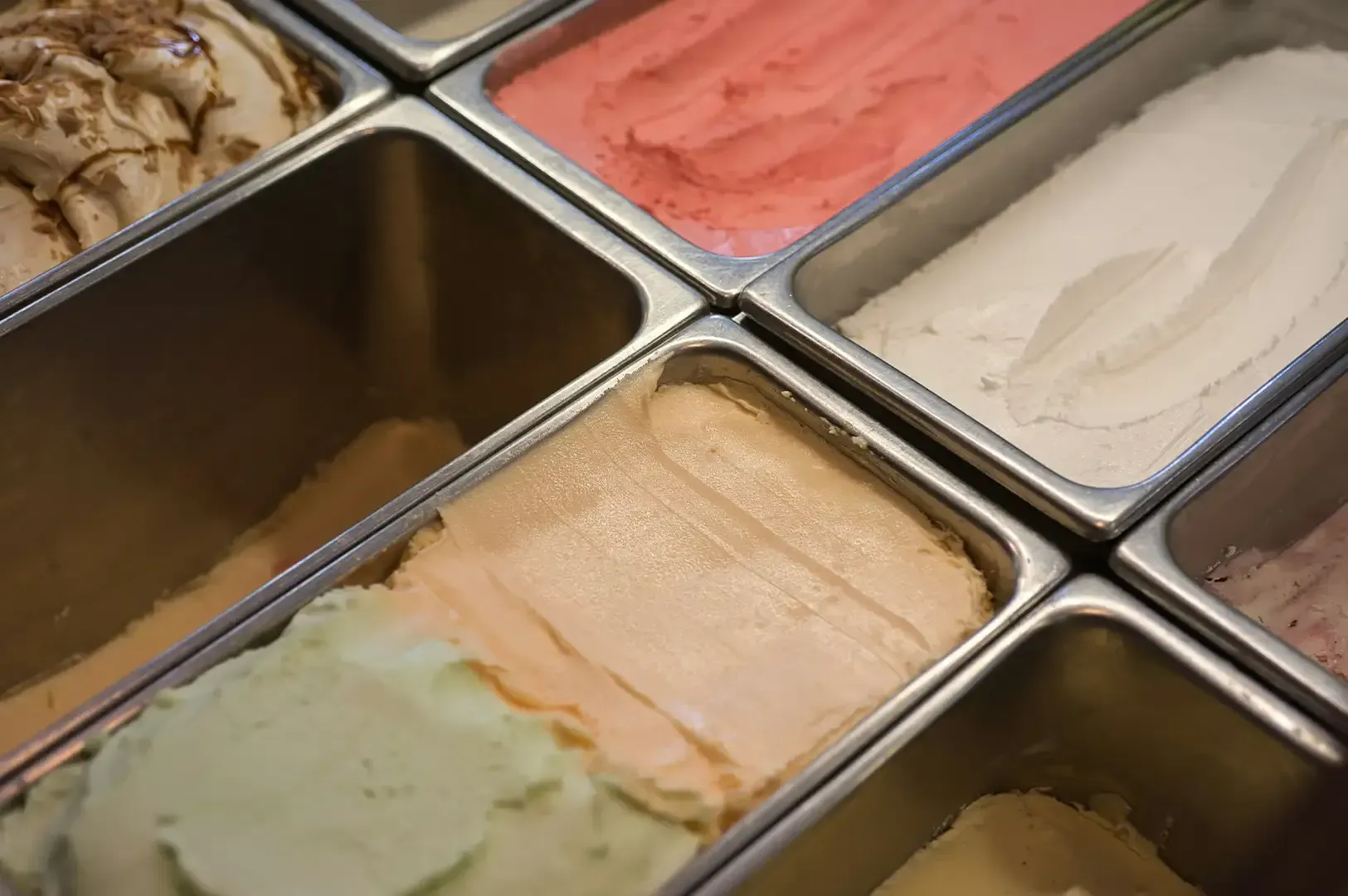
- Stored in covered tubs. The best shops keep their gelato in covered metal pans, not open display cases with whipped peaks. Covered storage protects texture and temperature.
- Slow-melting, dense feel. A quality scoop holds its shape briefly, then melts smoothly and slowly, with a little stretch and some creaminess rather than an airy collapse.
- Made fresh on-site. The best small-batch makers churn daily and often make it from scratch. The texture is creamier, the flavour cleaner.
- Honest flavour. A good hazelnut tastes roasted and nutty, not just sweet. With roasted pistachio, you want balance between nuttiness and sweetness. You should taste the ingredient, not just sugar.
Gelato Shops Worth Visiting in Singapore
I won't rank these. Each one offers something a little different, and the right choice depends on what you're after. Prices generally sit between
S$5 and S$12 for one scoop, though a
single scoop may be
priced differently for premium flavours, with pints or sharing sizes running
S$15 to S$20 and up.
Alternatively, some shops also offer takeaway in a
cup, cone,
pint, or
pack, so you can bring home your
favourites. Some also list
opening hours clearly online, which makes planning a visit easier.
Tom's Palette
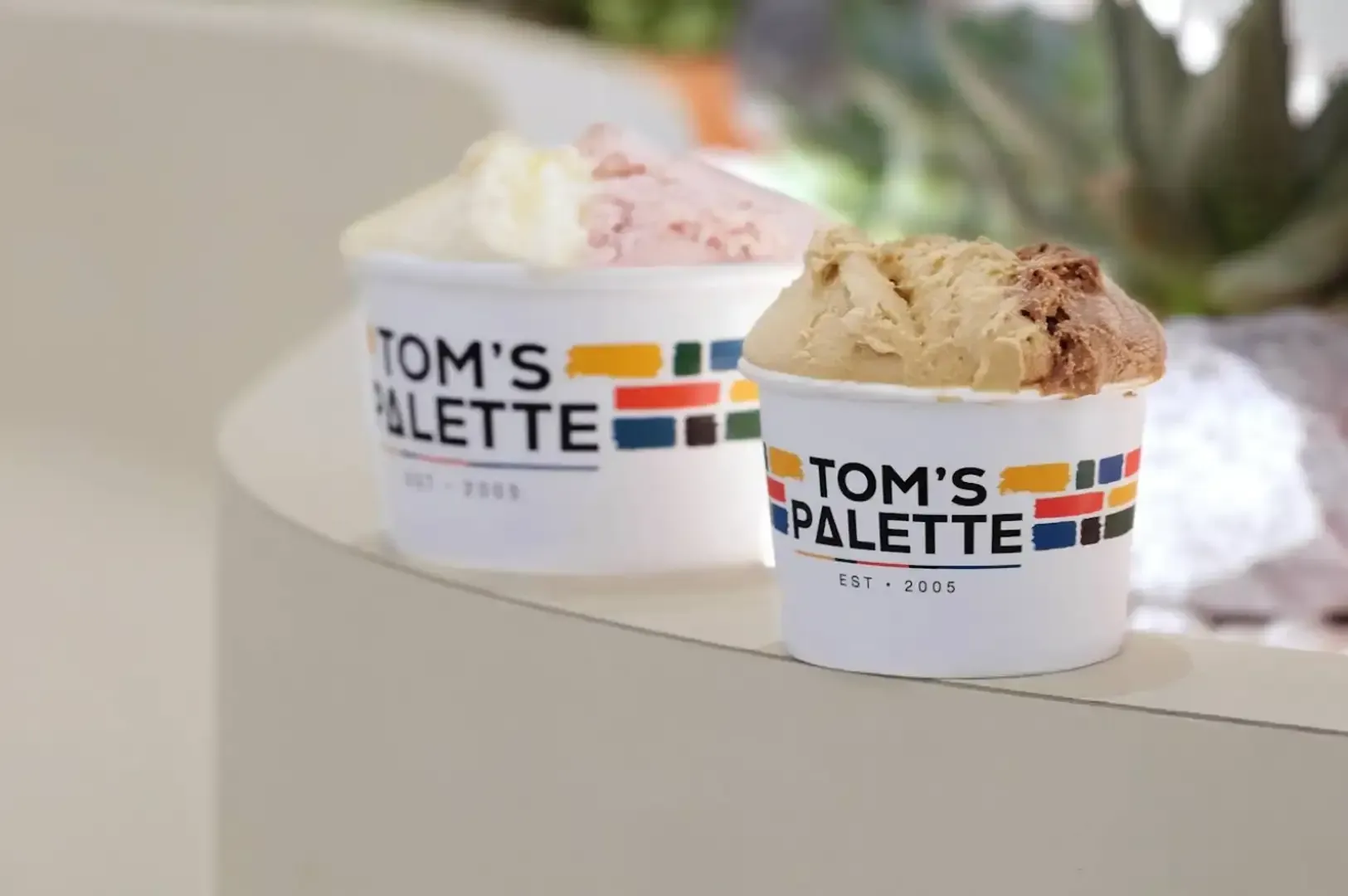
One of the older names in the local scene,
Tom's Palette has been around since 2005 and is known for colouring outside the lines—they've created over
180 flavours, classic and unorthodox. Go here if you love variety and want to try something you've never seen before.
Freshio Gelato
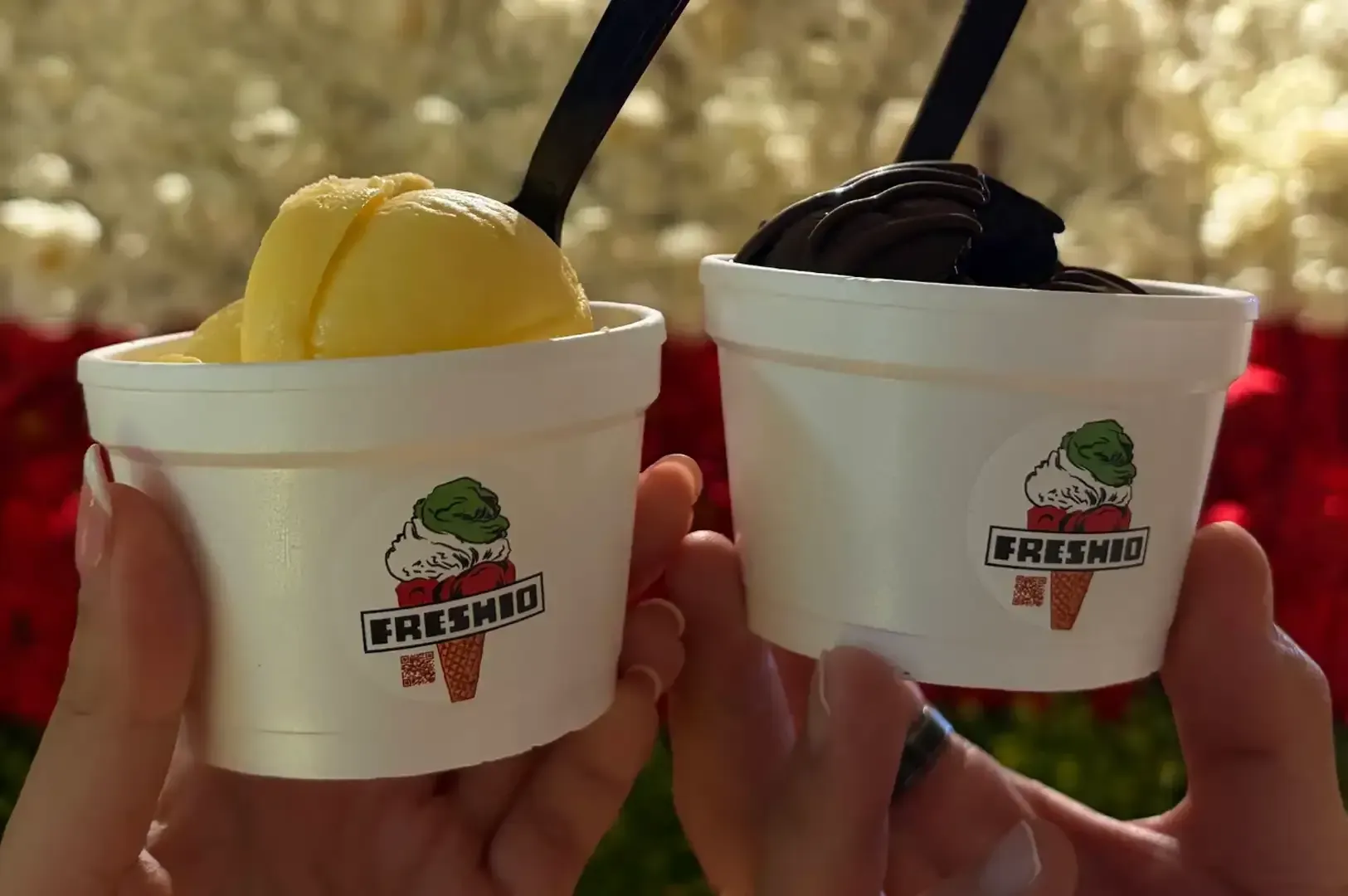
Tucked inside Sunshine Plaza near Bencoolen,
Freshio is run by an elderly couple, affectionately called "aunty" and "uncle," and is located in Sunshine Plaza near Bencoolen. Freshio Gelato also has a
4.9-star rating on Google. Their gelato is freshly made on-site daily by a friendly team, so each scoop is smooth and creamy. The signature
Turkish Hazelnut and
Ferrero Roche are worth the trip, and they do a clever
Panini Gelato—a scoop pressed between soft, toasted buns for a hot-cold contrast. Classic scoops start around
S$3.90, with premium flavours from
S$4.70. I’d recommend this spot for affordable, freshly churned gelato with real warmth behind the counter.
Hundred Acre Creamery

A homegrown creamery,
Hundred Acre Creamery offering gelato, gelato sets, and vegan options, known for its flavour creations. Worth a visit if you're after a more curated, boutique experience or need dairy-free choices; its
Roasted Pistachio is a best-seller and a great place to start.
Burnt Cones
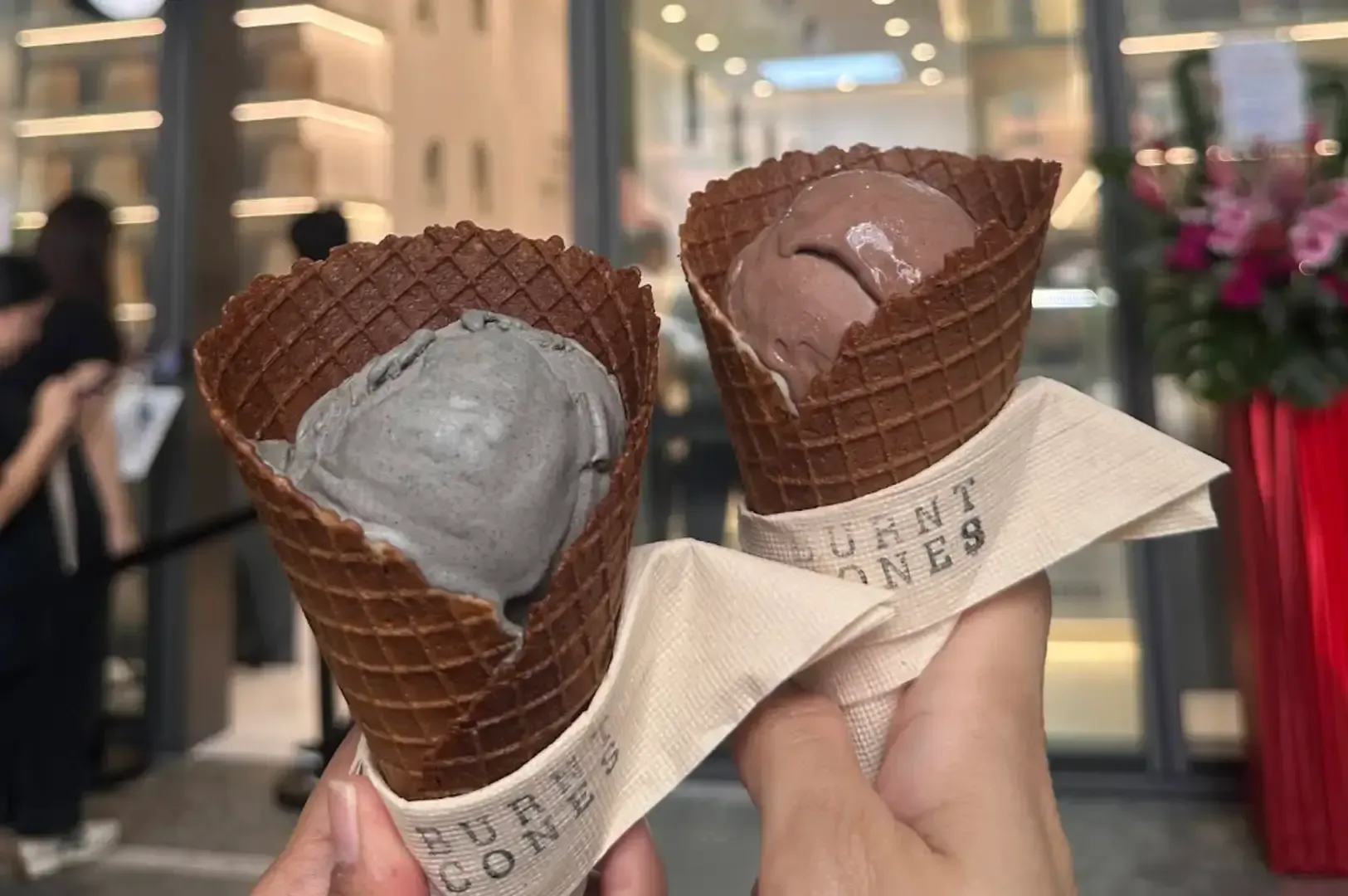
Known for their signature caramelised "burnt" cones, made to release a deeper aroma, plus buttermilk waffles made with French butter. They even co-roast their own coffee. Go here if the cone matters to you as much as the scoop—and if you want a late-night dessert run. Unlike Birds of Paradise in Katong, which is featured in the Michelin Guide and leans botanical,
Burnt Cones puts the focus on cones and waffles.
Alfero Artisan Gelato
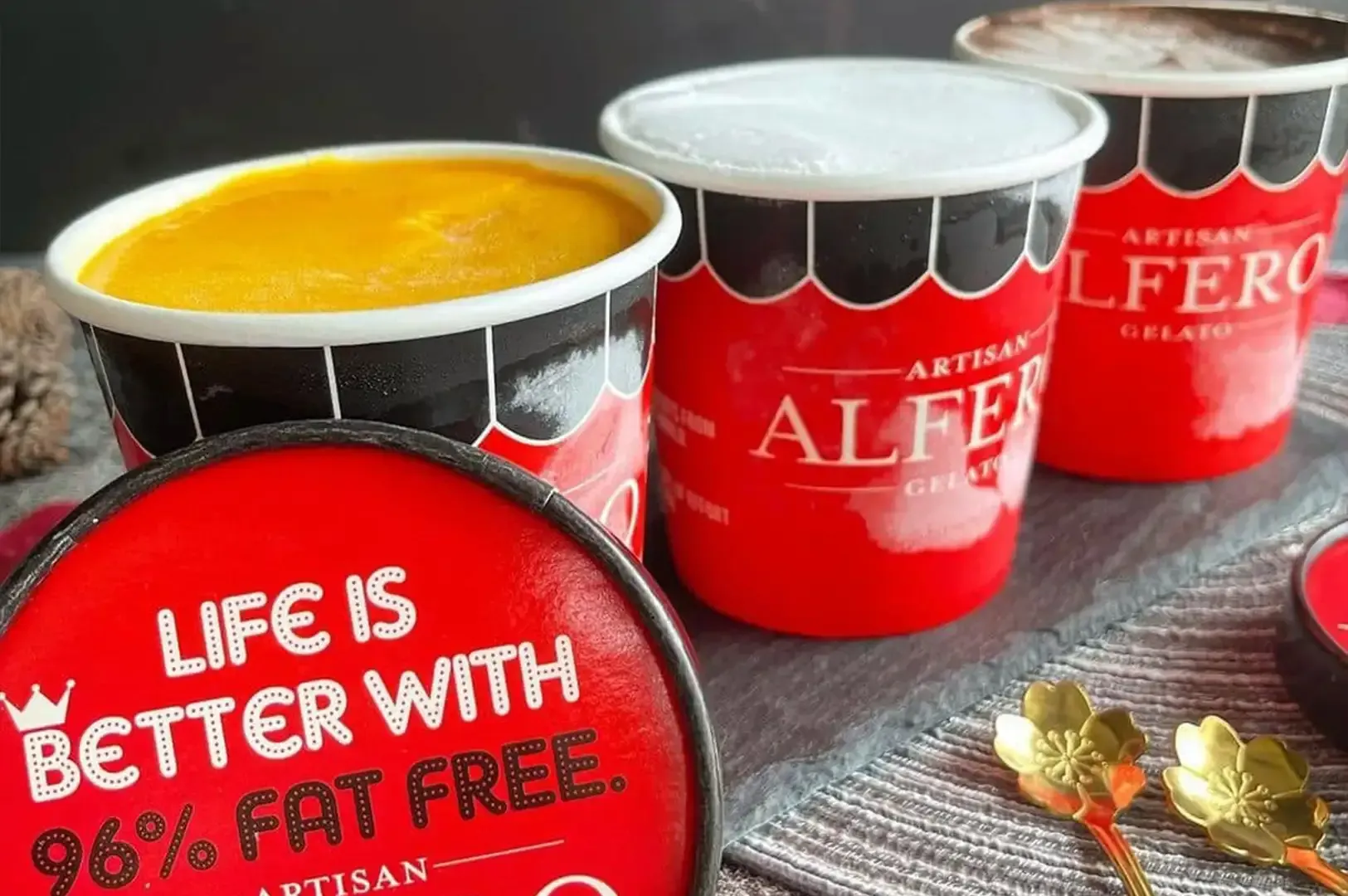
Alfero handcrafts its gelato daily in Singapore with no artificial flavours or colours, which may appeal if sweeter, more experimental scoops elsewhere are not to your liking. A solid choice if you want a more traditional, clean-tasting artisan scoop.
If you're hunting for a spot to bring along a furry companion,
click here for a guide to dog-friendly dessert cafés around the island.
Frequently Asked Questions
Is gelato in Singapore healthier than ice cream?
Gelato generally contains less fat than ice cream because it uses more milk and less cream. In fact, it typically has about 4% to 9% fat and usually skips egg yolks, unlike traditional ice cream. However, many Singaporean shops add a little more sugar to suit local tastes, so it's not automatically "healthy." It's lower in fat, but still a treat.
How much does a scoop of gelato cost in Singapore?
Most scoops range from S$5 to S$12 across SG, with a single scoop usually the cheapest format depending on the shop and whether you choose a classic or premium flavour. Alternatively, pints and take-home packs for sharing or home delivery usually run from S$15 to over S$20. Smaller neighbourhood shops, like Freshio Gelato, tend to be more affordable.
What's the difference between gelato and ice cream?
Gelato uses more milk and less cream, contains less air, and is served slightly warmer than ice cream. The result is a denser, smoother texture with more intense flavour. Ice cream is fluffier, colder, and richer in fat.
What are the best local gelato flavours to try in Singapore?
Look for tropical and local flavours that you won't easily find elsewhere: durian, Alphonso mango, gula melaka, pandan, lychee, black sesame, teh tarik, and pistachio gelato. These showcase how local makers adapt the Italian craft to Singaporean ingredients, and Dopa is especially known for a renowned version with standout texture and nuttiness. For a more classic profile, Venchi is an award-winning Italian brand in Singapore with heritage dating back to the 1870s.
How can I tell if gelato is high quality?
Check for
natural, muted colours, storage in covered tubs rather than whipped peaks, and a slow, even melt; standout shops also show exceptional smoothness and stretch in the texture you’d expected from quality gelato. Freshly made on-site gelato almost always tastes better.
Dopa’s gelato has a super smooth and stretchy texture, and
Celine’s Gelato achieved a notably stretchy texture. When in doubt, ask for a taste first.
Denzy Gelato was named Singapore’s Best Gelato in 2019.
So, Is Singapore Gelato Worth It?
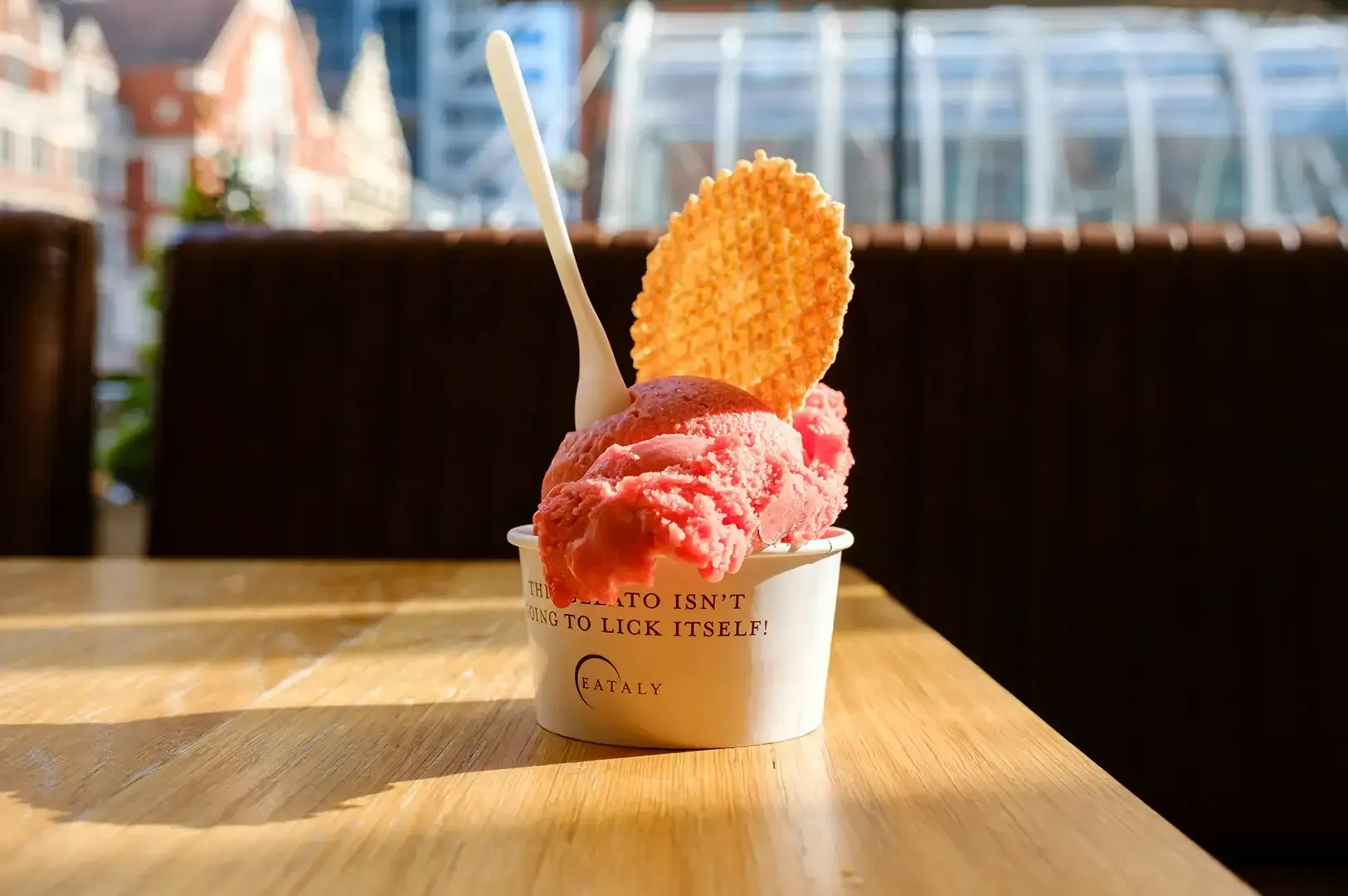
Yes—as long as you stop comparing it scoop-for-scoop with Florence. For fans of bold flavours, Singapore gelato can feel like paradise without trying to be Italian. It's the same patient craft, reshaped by our climate, our ingredients, and the flavours we grew up loving. A good gula melaka or Alphonso mango scoop here tells you something an Italian pistachio never could: that this dessert belongs to us too.
Next time you're out, skip the towering neon display. Find the quiet shop churning fresh tubs by hand, take a quick test spoon before ordering, and let it melt slowly. That's where the real scoops are, and we hope you find one that stays with you.
Recent Posts