Pudding 101: How to Make Silky, Creamy Pudding at Home
Pudding is often the first dessert many of us learn to love. A small cup after dinner, a spoon pressed into something cool and soft, a sweetness that never asks too much of you. Because it is so familiar, it is easy to assume pudding is simple. In many ways it is, but its gentle texture depends on a few small decisions made at the stove. Once you understand them, homemade pudding becomes something you can return to again and again.
What Exactly Is Pudding
The word covers more ground than people expect. In Britain, pudding can mean almost any dessert, including a dense steamed pudding served warm with custard. Elsewhere, rice pudding brings to mind grains simmered slowly in milk until soft and creamy. Baked custards sit nearby too, set gently in the oven rather than on the stove.
This guide focuses on the cooked, stovetop style: milk thickened with cornstarch and often enriched with egg yolks, then chilled until it holds a soft shape. It is the base behind vanilla pudding, chocolate pudding and most of the layered desserts built on top of them.
If you enjoy this kind of quiet comfort and want to taste how others interpret it, these favourite places for desserts across the island are worth visiting.
What Makes Pudding Silky Instead of Lumpy
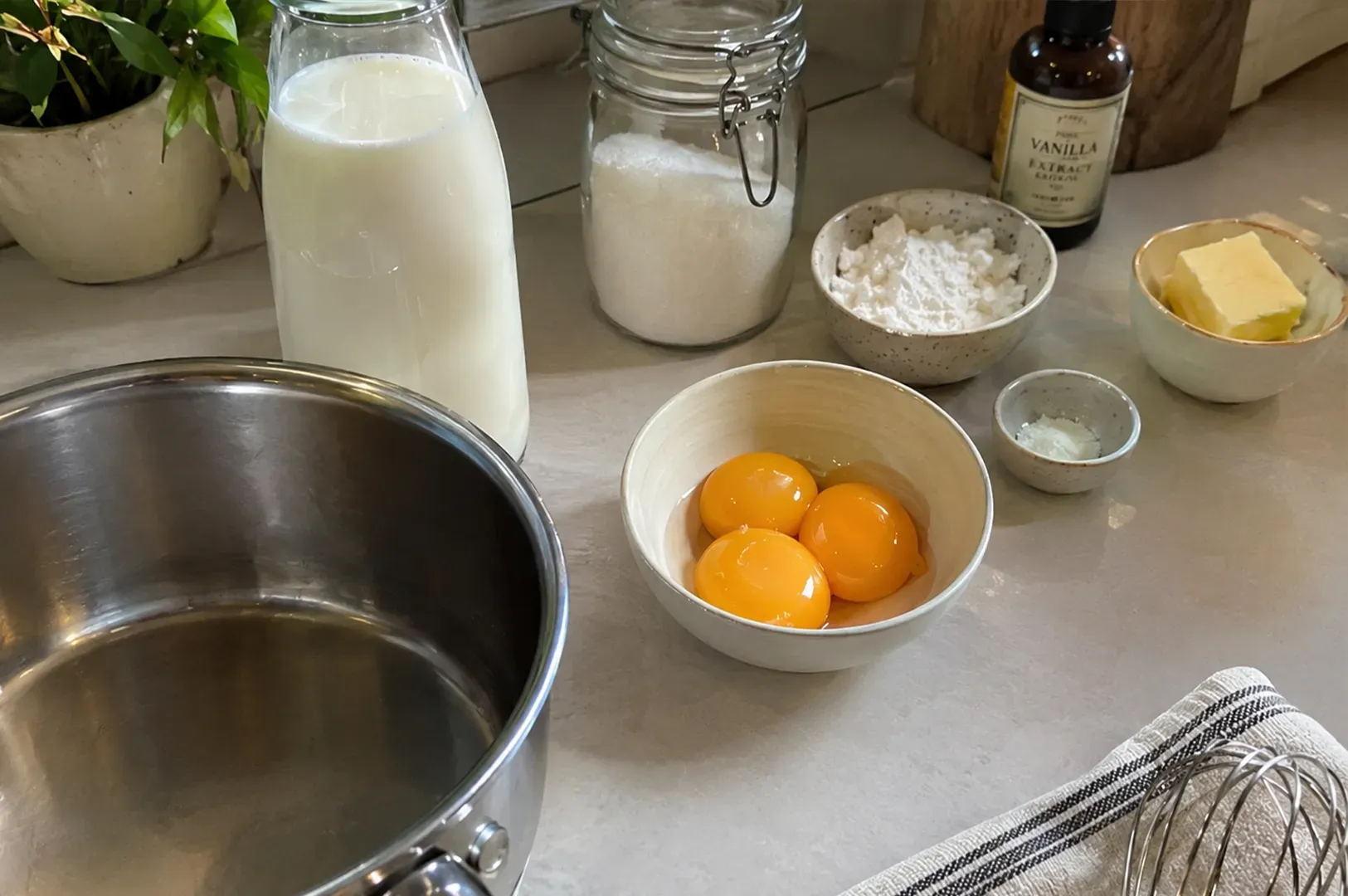
Texture is the whole point of pudding, and each ingredient plays a quiet role in it.
Milk and Cream
Whole milk gives a rounded, comforting body. Replacing part of it with cream makes the pudding richer and more velvety, though too much cream can make it heavy. I find a mostly-milk base keeps the spoonful light while still feeling generous.
Eggs and Egg Yolks
Egg yolks add richness, a pale golden color and a custard-like smoothness that cornstarch alone cannot give. Whites are usually left out because they set firmer and can turn rubbery.
Cornstarch
Cornstarch is the thickening agent doing most of the work. It needs to be whisked into cold milk before heating. If it meets hot liquid first, it clumps almost at once, and those lumps rarely whisk out.
Sugar
Sugar sweetens, but it also softens the set slightly. Most recipes use just enough to feel comforting without hiding the flavor of the milk and vanilla.
Heat Control
This is the detail that matters most. Medium heat, steady whisking and patience give the starch time to swell evenly. High heat rushes the process and leaves you with scorched milk or scrambled eggs.
How to Make Pudding Step by Step
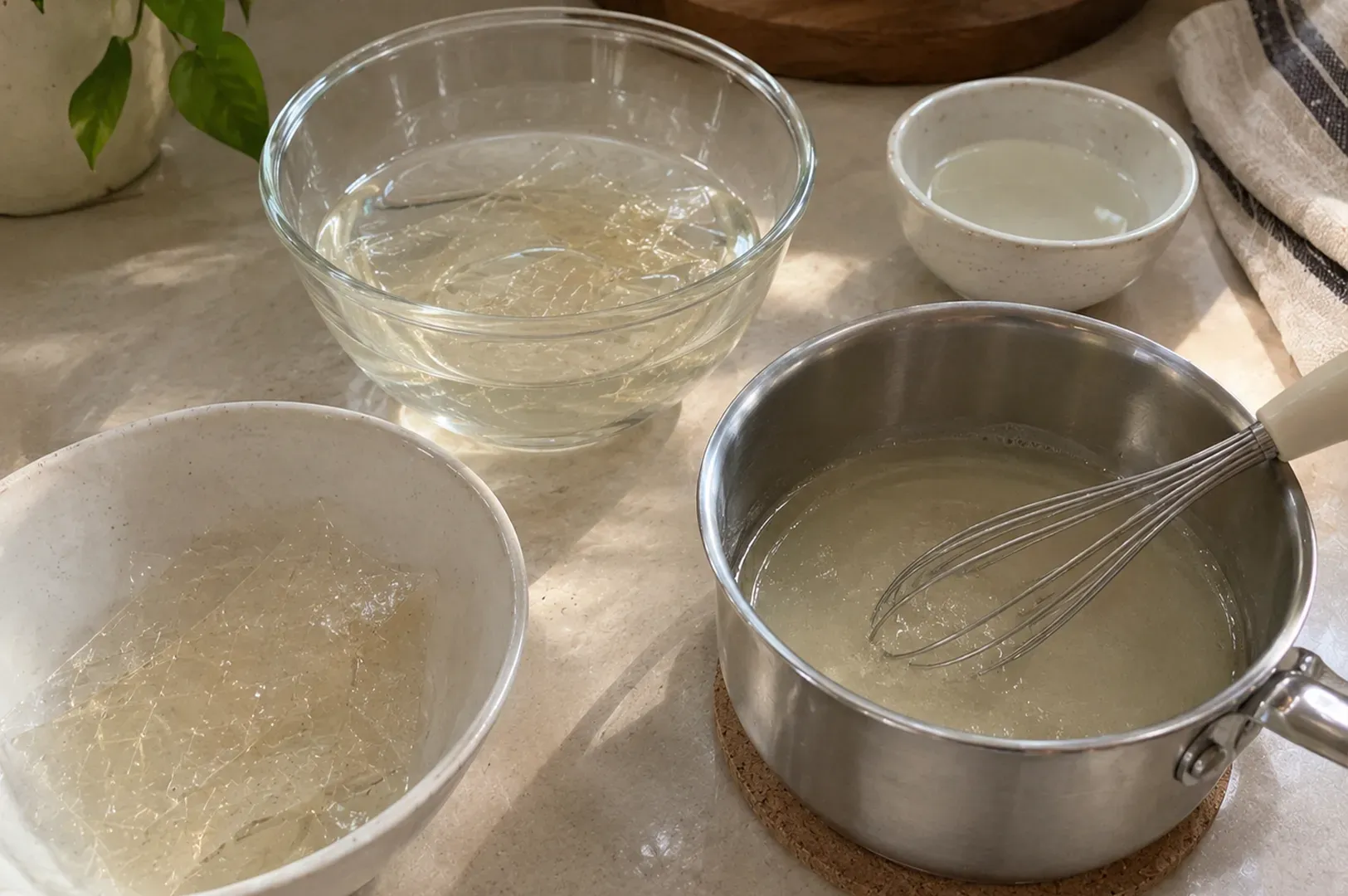
This is the vanilla base I keep coming back to, made with simple ingredients. It makes about four servings.
Ingredients:
- 2 cups whole milk
- ½ cup sugar
- 3 tablespoons cornstarch
- ¼ teaspoon salt
- 3 egg yolks
- 2 tablespoons butter
- 1 teaspoon vanilla extract, or the seeds of one vanilla bean
Method:
- In a saucepan, mix the sugar, cornstarch and salt together thoroughly. Slowly pour in the cold milk, whisking until no dry streaks remain.
- Set the pan over medium heat and whisk constantly. After several minutes of cooking, the mixture will thicken as it approaches a gentle boil and begin to bubble gently.
- Whisk the egg yolks in a separate bowl. Ladle in a little of the hot milk while whisking, then add a second ladle. This tempering warms the yolks slowly so they don't curdle.
- Pour the warmed yolks back into the pan. Keep stirring constantly for another minute or two, until the pudding coats the back of a spoon thickly.
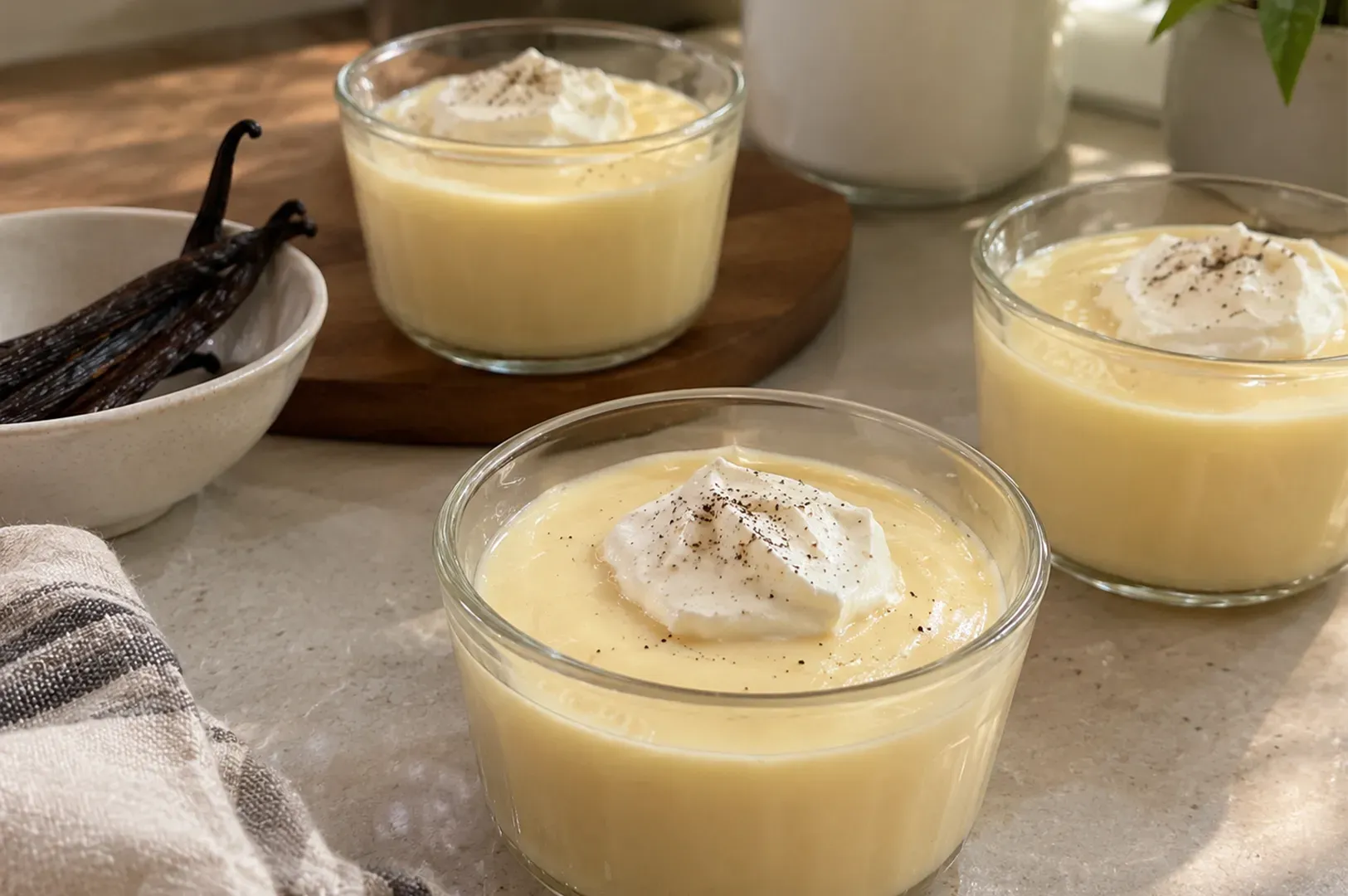
- Take it off the heat and stir in the butter and vanilla. If you use vanilla bean, you'll get the flecks and flavor of real vanilla bean, like in Kentucky bourbon vanilla bean pudding.
- For the smoothest result, strain it through a fine sieve into a bowl or individual cups.
- Press plastic wrap directly onto the surface to stop a skin from forming. Let it cool completely, and if it isn't covered yet, stirring occasionally can help prevent skin forming; then chill for at least two to three hours.
Instant puddings are different because they do not require boiling.
Homemade pudding usually keeps 2-3 days in the refrigerator, while chocolate pudding can last 5-7 days when stored properly.
A Note on the Vanilla Bean
Extract works perfectly well. But if you have a vanilla bean, scrape the seeds into the milk at the start. The flavor becomes deeper and more floral, and the tiny dark specks are a quiet sign of care.
Common Pudding Mistakes
Most disappointing puddings come from a handful of familiar slips.
- Overheating. High heat scorches the bottom of the pan and can split the eggs. Medium heat is slower, but far more forgiving.
- Adding eggs too quickly. Yolks dropped straight into hot milk turn into tiny scrambled bits. Tempering takes only a minute and prevents this.
- Not stirring. Starch settles and catches on the base of the pan. Steady whisking keeps the heat even and the texture smooth.
- Using too much starch. An extra spoonful can turn silky pudding into something stiff and pasty. Measure carefully.
- Serving before it has chilled. Warm pudding has its own charm, but a cornstarch pudding only reaches its proper set once it has cooled completely.
Can You Freeze Pudding?
People often ask whether they can freeze pudding to keep it longer. It's best not to. Cornstarch-thickened pudding tends to weep and turn grainy once thawed. It keeps well in an airtight container in the fridge for three to four days, which is usually long enough.
Banana Pudding: The Layered Dessert Everyone Loves
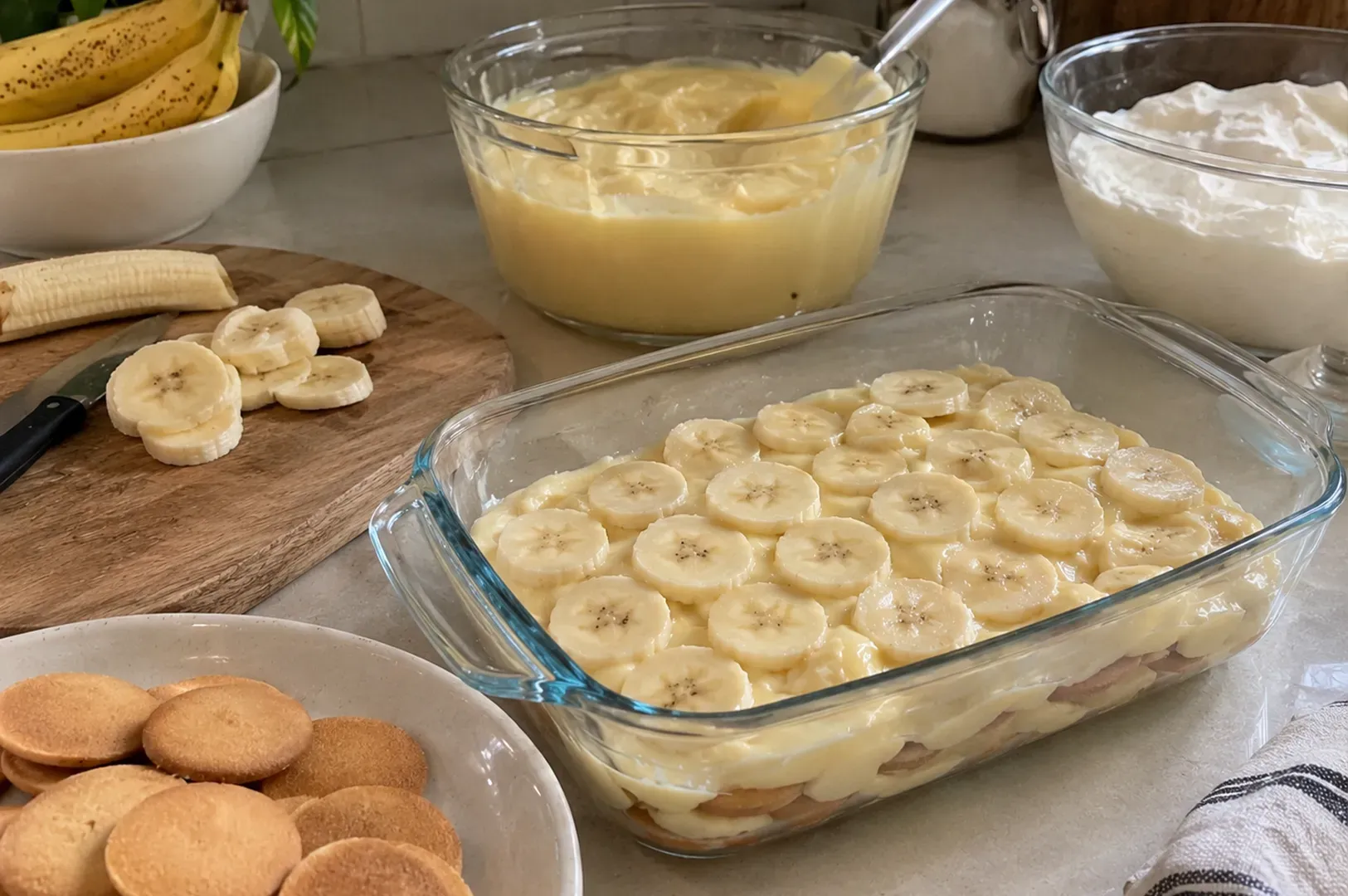
Banana pudding shows how easily a vanilla pudding base can grow into something more generous. It's a dessert built in layers rather than cooked all at once. Here, the pudding works as a filling between fruit and wafers rather than as a standalone custard cup.
Start with chilled vanilla pudding, then slice ripe bananas whose skins have a few brown freckles. They are sweeter and more fragrant than firm yellow ones. Layer vanilla wafers or plain butter biscuits in a dish, then add the bananas and spoon over the pudding. Repeat, and finish with softly whipped cream.
The real change happens in the fridge. After a few hours, the biscuits soften into something almost cake-like, and the banana flavor seeps gently into the pudding. I find it best made a few hours ahead, though not a full day, or the bananas begin to darken.
For a wider view of where puddings and custards fit among local sweets, this look at the irresistible flavors and rich culture of Singapore's sweet desserts scene offers a thoughtful wander.
Easy Pudding Recipes to Try at Home
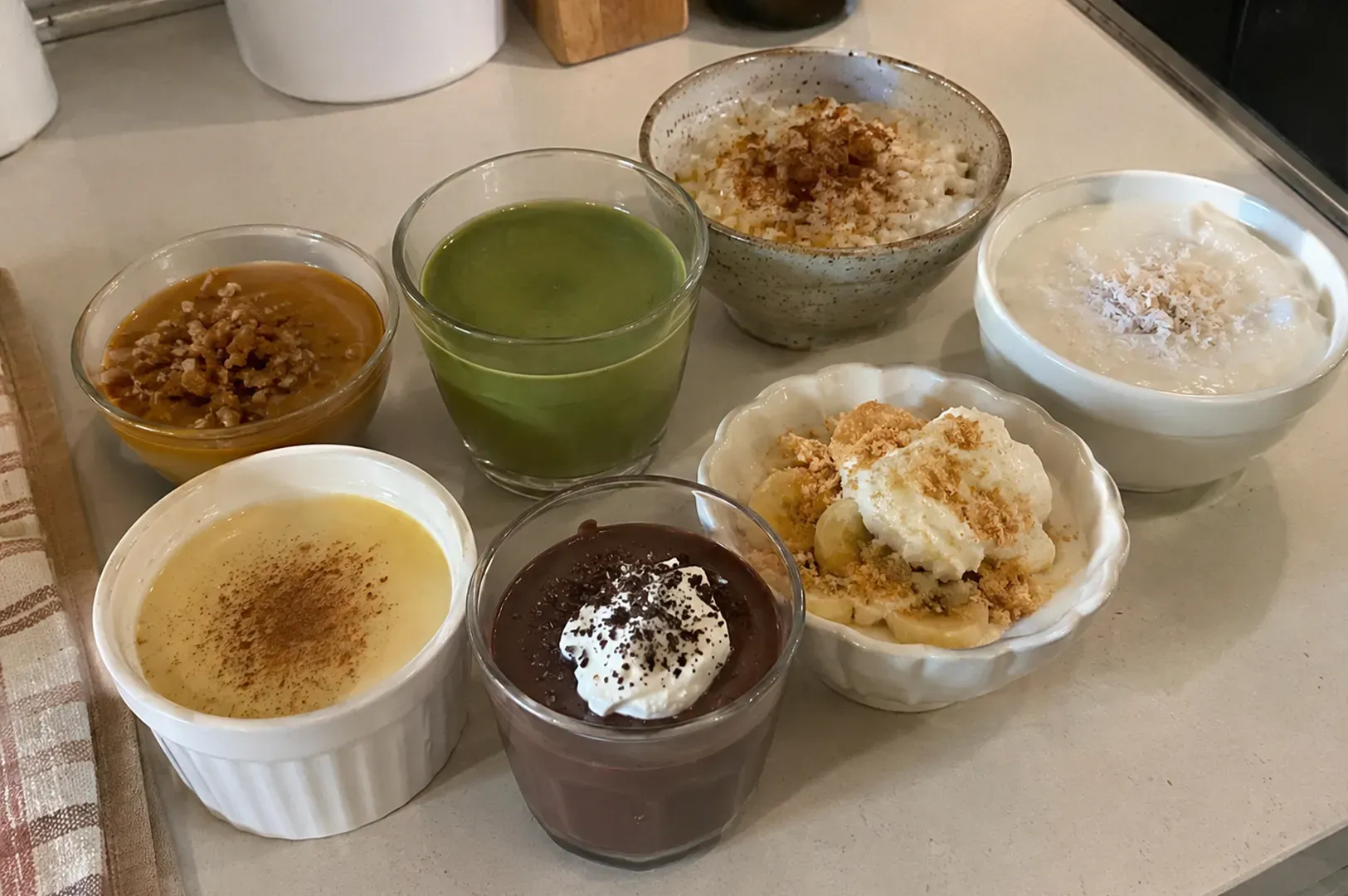
Once the base feels familiar, these are easy homemade puddings made from simple ingredients, and they can feel decadent without being difficult.
- Vanilla pudding: The base recipe above makes a creamy vanilla pudding, ideally with a vanilla bean for fuller flavor; a light dusting of cinnamon also works well at the end.
- Chocolate pudding: Whisk 3 tablespoons of cocoa powder in with the dry ingredients, then stir in a little chopped dark chocolate along with the butter. It’s rich enough for a dinner party, but still easy to serve warm or chilled, with whipped cream if you like.
- Butterscotch pudding: Use dark brown sugar and a little extra butter for a deeper, caramel-like flavor.
- Banana pudding: Layer the vanilla base with ripe bananas, wafers and whipped cream.
- Coconut pudding: Replace half the milk with coconut milk. A pinch of extra salt brings out its natural sweetness.
- Matcha pudding: Sift 1 to 2 teaspoons of matcha into the sugar before adding the milk. Its gentle bitterness keeps the sweetness in balance.
- Rice pudding: Cook the rice until tender, then stir it into the base so the pudding clings to each grain.
For a variation, Kentucky bourbon vanilla bean pudding uses real vanilla bean.
Homemade versions can be comfort food, not just restaurant dessert.
Whipped Cream as the Finishing Touch
A spoonful of lightly sweetened whipped cream suits almost every version. Whip it only until soft peaks form so it stays airy rather than stiff. These are cosy desserts at heart, and a soft cloud of cream on top feels right.
How to Know When Your Pudding Is Perfect
A good homemade pudding tells you when it's ready if you know what to look for:
- It coats the back of a spoon, and a finger drawn through it leaves a clean line.
- Once chilled, it holds a soft shape but still trembles slightly when the cup is moved.
- It feels smooth on the tongue, with no grit, lumps or floury aftertaste.
- The sweetness feels comforting rather than heavy.
- It tastes of milk and vanilla first, not just sugar.
For many people, this kind of food is pure comfort, and it is still safe to eat if a thin skin forms on top, even if the texture is less appealing.
Learning how to make pudding is less about a perfect recipe than about paying attention: to the heat, to the whisk and to the moment the mixture begins to thicken. Once you know those signs, the rest follows naturally.
Recent Posts