Chewy Chocolate Chip Cookies vs Soft Chocolate Chip Cookies: What Makes the Perfect Bite?
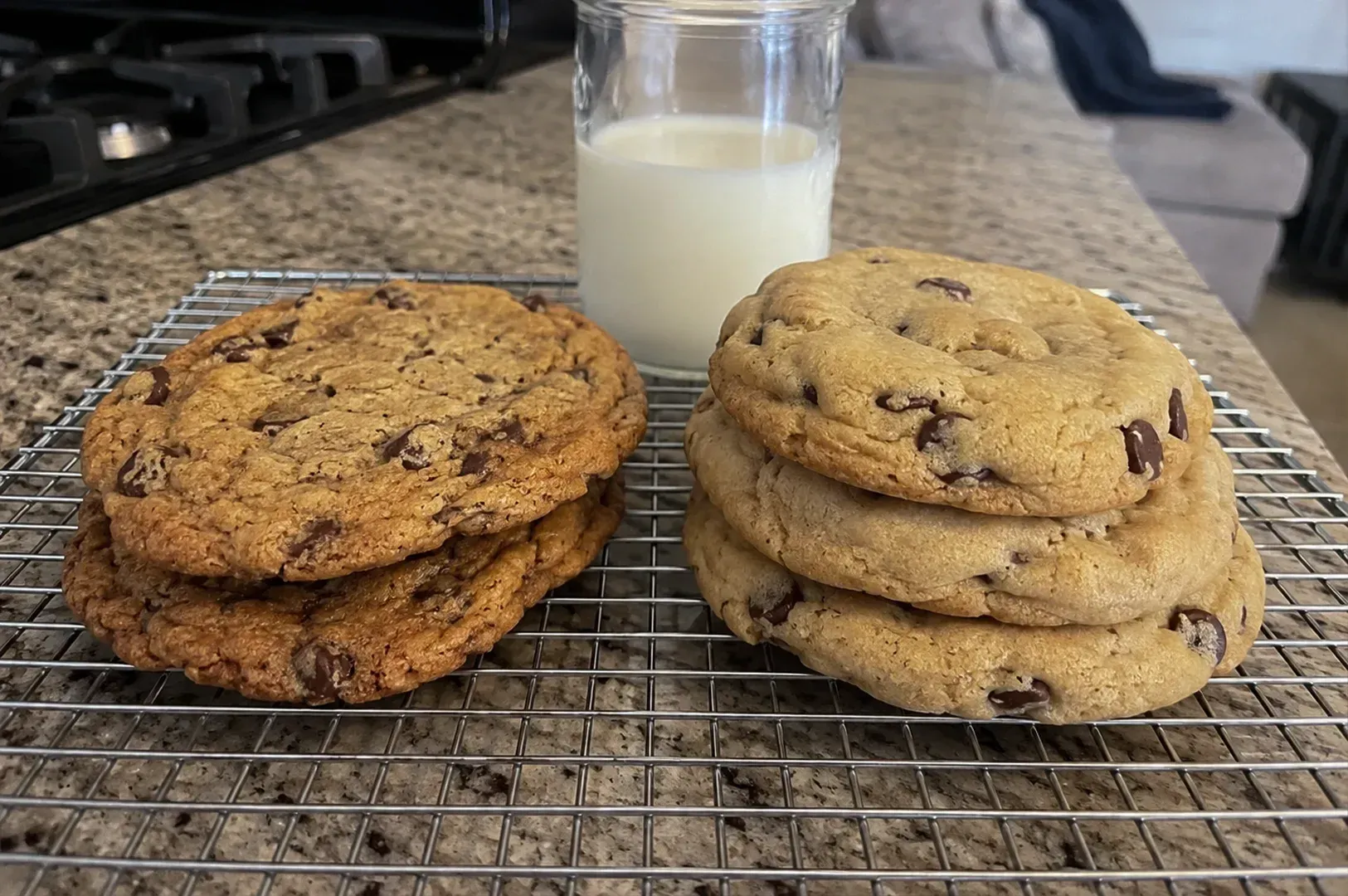
When I first tried baking chewy chocolate chip cookies in my small Singapore kitchen, it was a mess. I wanted bakery-style cookies with crispy edges and fudgy centers but ended up with puffy, cakey cookies that lacked chewiness. I also visited local spots like Burnt Ends Bakery, a pet-friendly cafe known for tasty chocolate chip cookies, enjoying treats with furry friends.
Frustrated, I realized Singapore’s warm, humid climate affects cookie dough differently—butter softens faster, flour absorbs moisture differently, and the line between soft and chewy cookies is thin.
After many tries, I found the right balance of ingredients. Now, I want to share how to make perfect
chewy chocolate chip cookies, whether you want them chewy or soft and chewy, this guide will help you achieve it.
What’s the Difference Between Chewy and Soft Cookies?
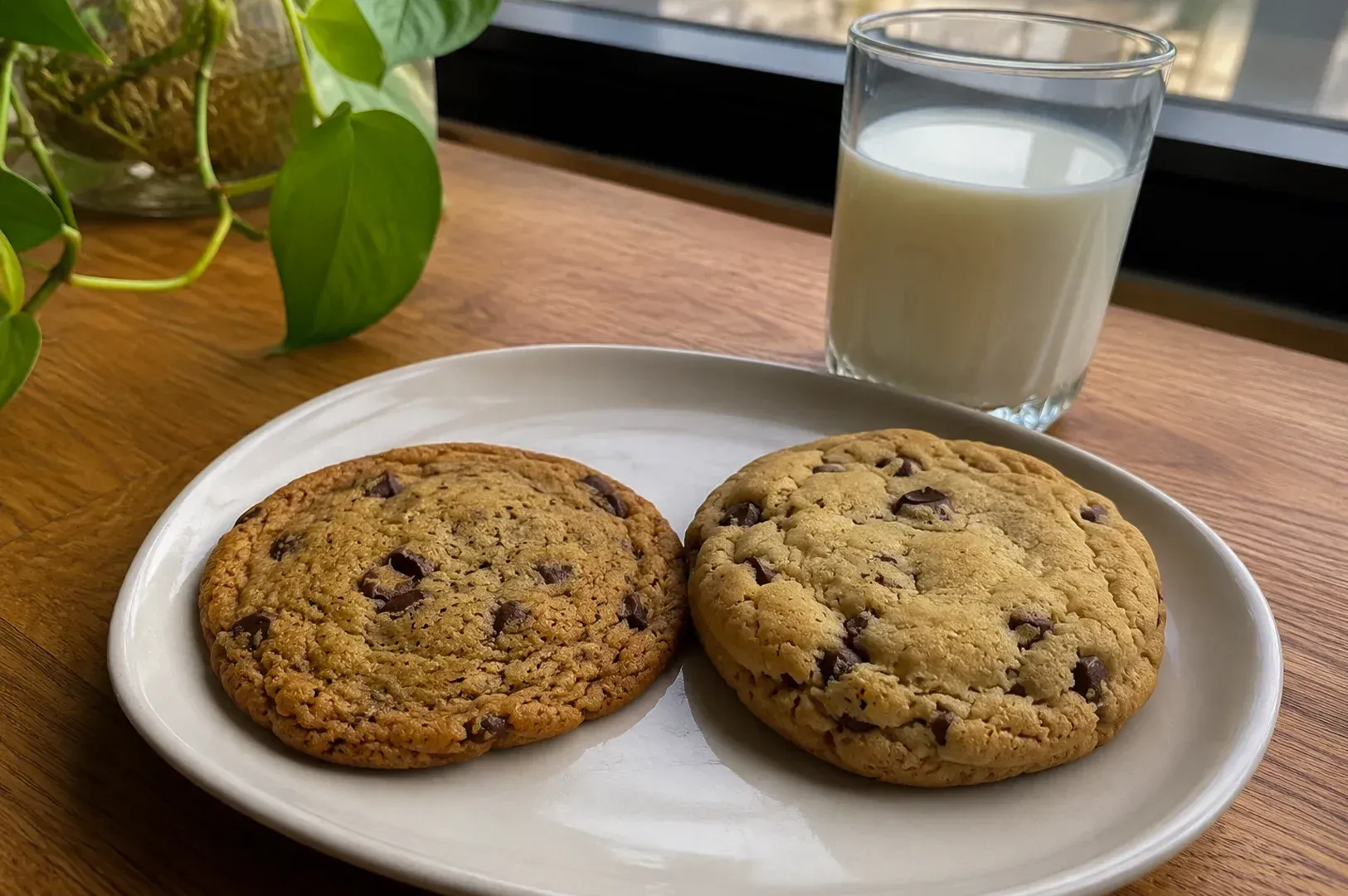
In my experience, most people use the terms "chewy" and "soft" interchangeably, but they are actually two completely different textures.
A chewy chocolate chip cookie has a slight resistance when you bite into it. It usually bends slightly before breaking, pulling apart with a dense, fudgy middle. It often has a deeper caramel-like flavor, crisp edges, and a satisfying weight to it.
A soft cookie, on the other hand, is tender, lighter, and much easier to bite through. It has a thicker body, gentle sweetness, and a moist center. However, if you aren't careful, a soft cookie can easily cross the line into becoming cakey—which is usually a sign of too much flour or too much leavening.
Understanding the texture you want is the very first step. If you want a dense, rich bite, you are aiming for chewy chocolate chip cookies. If you want something tender that reminds you of childhood, you want soft cookies.
Bernice's Baking Hack: When deciding on your texture, think about how you plan to eat them. I prefer
chewy chocolate chip cookies for gifting because they hold their shape beautifully in jars, while I love soft cookies served warm straight off the baking sheet with a glass of milk.
The Science Behind Chewy Chocolate Chip Cookies and Baking Soda
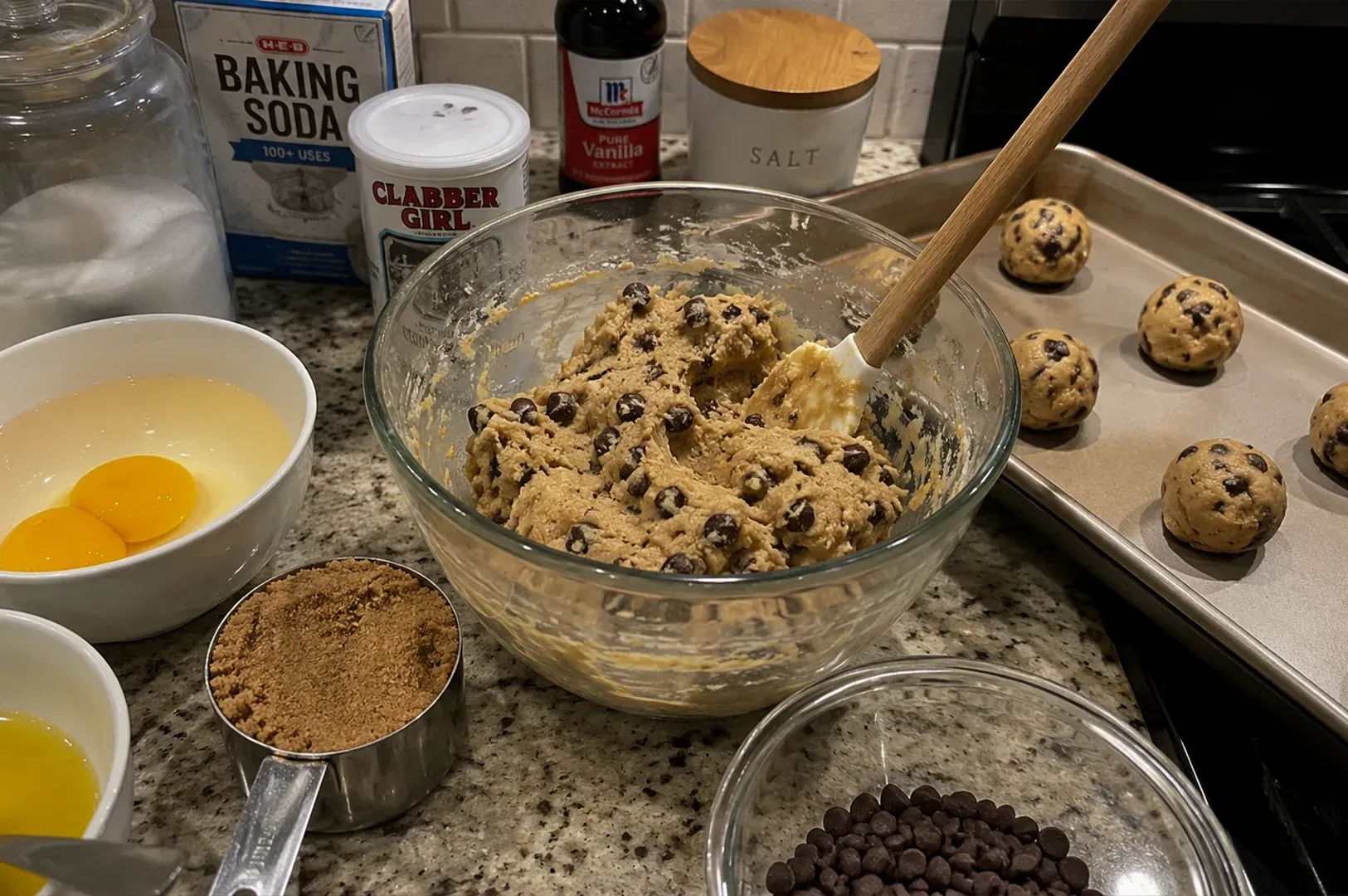
Creating the perfect chewy texture isn't just about luck; it all comes down to the science of your ingredients. Here is what I’ve found makes all the difference:
1. Brown Sugar vs. White Sugar in Chocolate Chip Cookie Dough
If there is one rule you remember, let it be this: light brown sugar and dark brown sugar are your best friends for a chewy texture. Brown sugar contains molasses, which adds moisture and acidity to the dough. This creates a denser, moister, and chewier cookie. Granulated sugar (white sugar) helps the cookies spread and gives them those crispy edges. I’ve found that using more brown sugar than white sugar is the secret to an amazing recipe for chewy chocolate chip cookies.
2. Melted Butter, Brown Butter, and Soft Butter
When I first started baking, I always used softened butter creamed with sugar. This traps air in the dough, which is great for cakes but not ideal if you want a dense cookie. Using melted butter or brown butter instead prevents air from getting trapped. This gives you a much denser, fudgier, and chewier bite. Unsalted butter is usually best so you can control the salt level yourself. Some recipes call for salted butter, but I prefer unsalted butter to manage salt precisely.
3. The Role of Baking Powder and Baking Soda
Baking powder makes cookies puff up, while baking soda helps them spread outwards and brown nicely. For a chewy texture, you want more spread than puff. Relying primarily on baking soda rather than baking powder keeps the cookie dense rather than cake-like.
4. Extra Egg Yolk for Chewy Texture
Here is a secret I swear by: adding an
extra egg yolk to your dough. The fat and protein in the extra egg yolk bind the dough together, adding richness and a distinctly chewy texture without adding extra moisture from the egg white (which can make cookies cakey).
Step-by-Step Guide to the Perfect Chocolate Chip Cookie: Add Flour Mixture and Bake Cookies
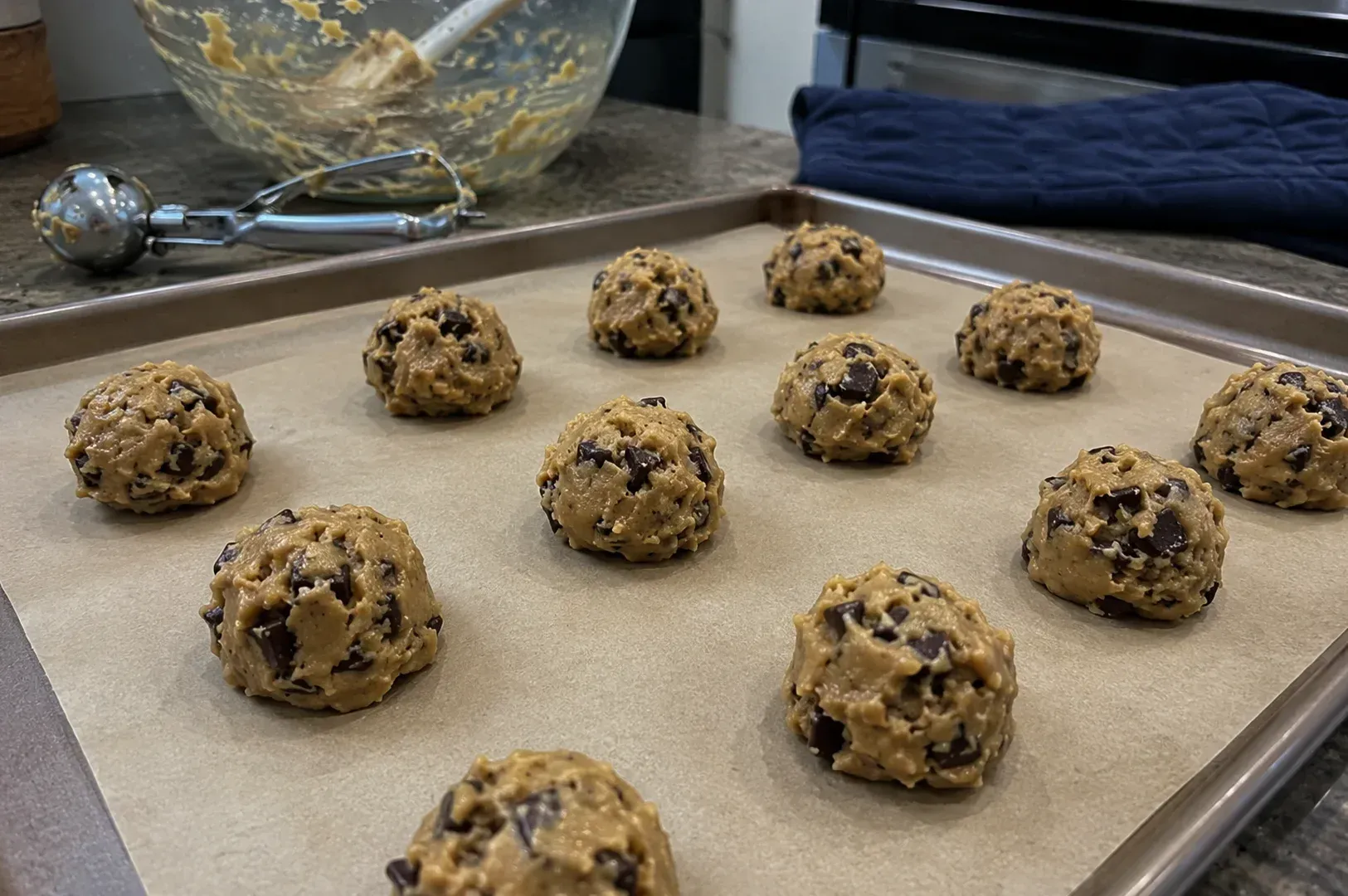
Ready to bake? Here is my step-by-step process for getting that perfect bake every single time.
Step 1: Prep Your Ingredients in a Medium Bowl
In a medium bowl, whisk together your dry ingredients:
bread flour (or all-purpose flour), baking soda, baking powder, and salt. In a large bowl, whisk your
melted butter with your light brown sugar, dark brown sugar, and granulated sugar until glossy. Add your egg, extra egg yolk, and a splash of vanilla extract.
Step 2: Add Flour Mixture Gently
Fold your flour mixture into your wet ingredients using a spatula. Mix only until you no longer see streaks of dry flour.
Step 3: Choose Your Chocolate Chips and Chopped Chocolate
I highly recommend using
chopped nuts dark chocolate or chocolate chunks instead of regular semi sweet chocolate chips. Chocolate chips contain stabilizers to help them keep their shape. Chopped chocolate will melt into those beautiful, bakery-style puddles of chocolate. Mini chocolate chips can be added for extra texture, but the combination of chopped chocolate and semi sweet chocolate chips makes the best
chewy chocolate chip cookies.
Step 4: Chill the Cookie Dough
Do not skip this step! In Singapore, our kitchens are warm. If you bake soft dough immediately, the cookies spread into thin puddles. Cover your bowl and chill the dough in the fridge for at least one hour, or ideally overnight. Chilled cookie dough is key for thick cookies with the perfect chewy texture.
Step 5: Scoop Cookie Balls and Bake Cookies on Prepared Baking Sheets
Use an ice cream scoop or a tablespoon measuring spoon to portion the chilled cookie dough onto prepared baking sheets lined with parchment paper. Preheat oven to the right oven temperature. Bake cookies until the edges are golden brown and lightly browned, but the centers still look slightly pale and a bit gooey.
Step 6: Cool Completely on a Cooling Rack
Let the cookies sit on the baking sheet for 5 minutes before transferring them to a cooling rack. They will continue cooking from the residual heat of the baking sheet.
Mistakes I've Made When Baking Chip Cookies (And How You Can Avoid Them)
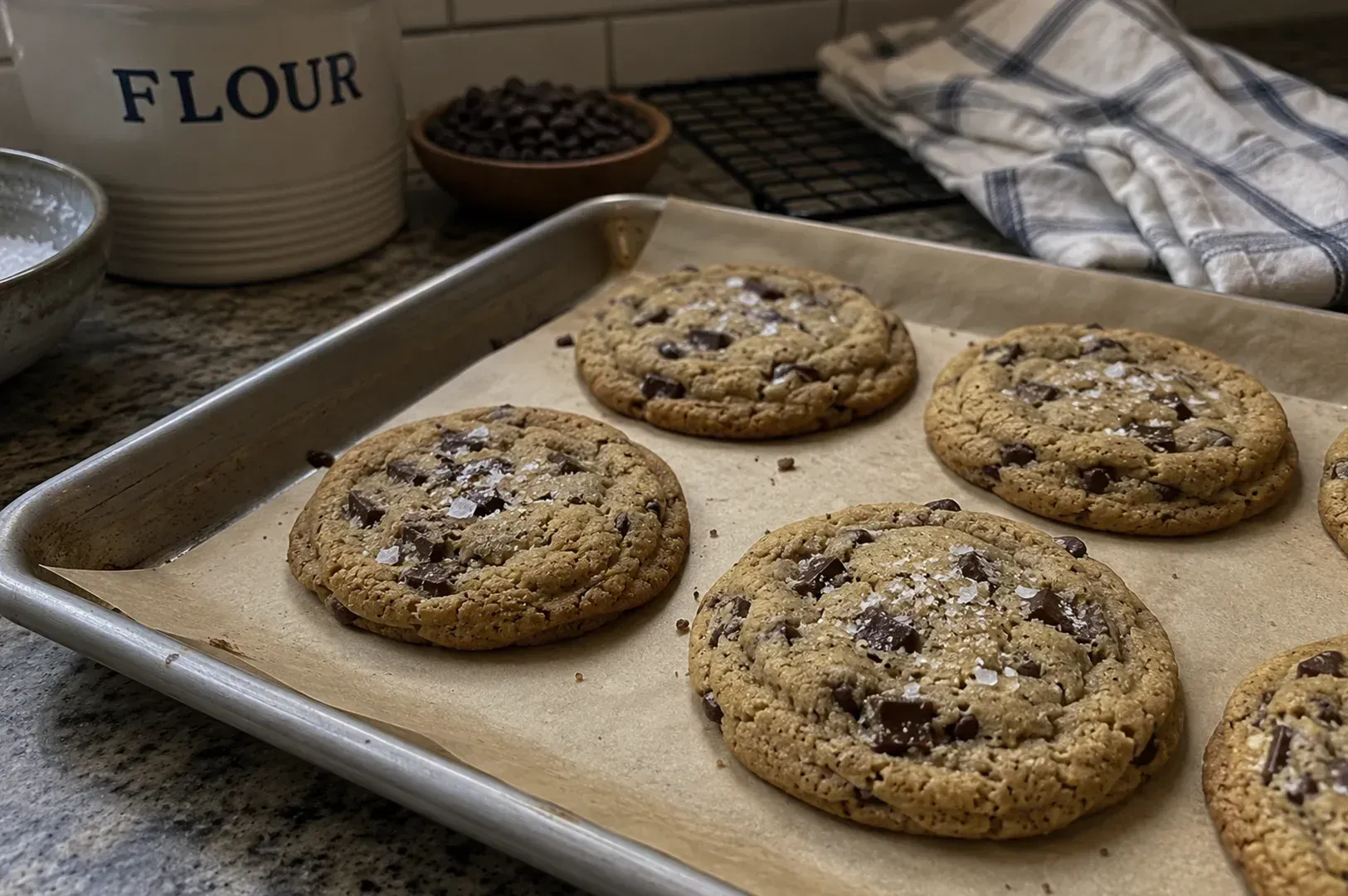
I have made every mistake in the book. Here are the biggest pitfalls I see home bakers make, and how to avoid them.
Mistake 1: Measuring Flour Incorrectly
When I first baked, I would scoop my measuring cup directly into the bag of flour. This packs the flour down, meaning I was actually adding way too much flour to my recipe. Too much flour gives you thick cookies that taste like dry bread. Always use a kitchen scale to weigh your flour. If you don't have one, fluff the flour with a fork, spoon it into your measuring cup, and level it off with a knife.
Mistake 2: Overbaking the Cookies
This is the hardest lesson to learn. When you pull the cookies out of the oven, they should look slightly underbaked in the middle. If you wait until they look fully firm and golden brown all over, they will turn into rocks once they cool completely. Trust the process—the residual heat on the baking sheet will finish the job.
Mistake 3: Skipping the Salt
Sugar needs salt to shine. If you don't add salt to the cookie dough, or if you skip the sprinkle of flaky sea salt on top before baking, the cookies will taste one-dimensionally sweet. Salt brings out the deep notes of the less cocoa butter and the caramel flavor of the brown sugar.
How to Store Cookies in Singapore’s Humid Weather in an Airtight Container
Singapore’s humidity is the ultimate enemy of a good cookie. If you leave freshly baked cookies sitting out on a plate, the crisp edges will soften into mush within a few hours.
In my experience, the best way to store them is to ensure they are 100% cooled completely on a cooling rack first. If you put warm cookies into an airtight container, the trapped steam will make them soggy. Once they are completely cool, place them in an airtight container. If you want to keep them extra soft, tuck a small piece of plain white bread into the container with them—the cookies will absorb the moisture from the bread, staying soft for days!
Freeze Cookie Dough for Convenience
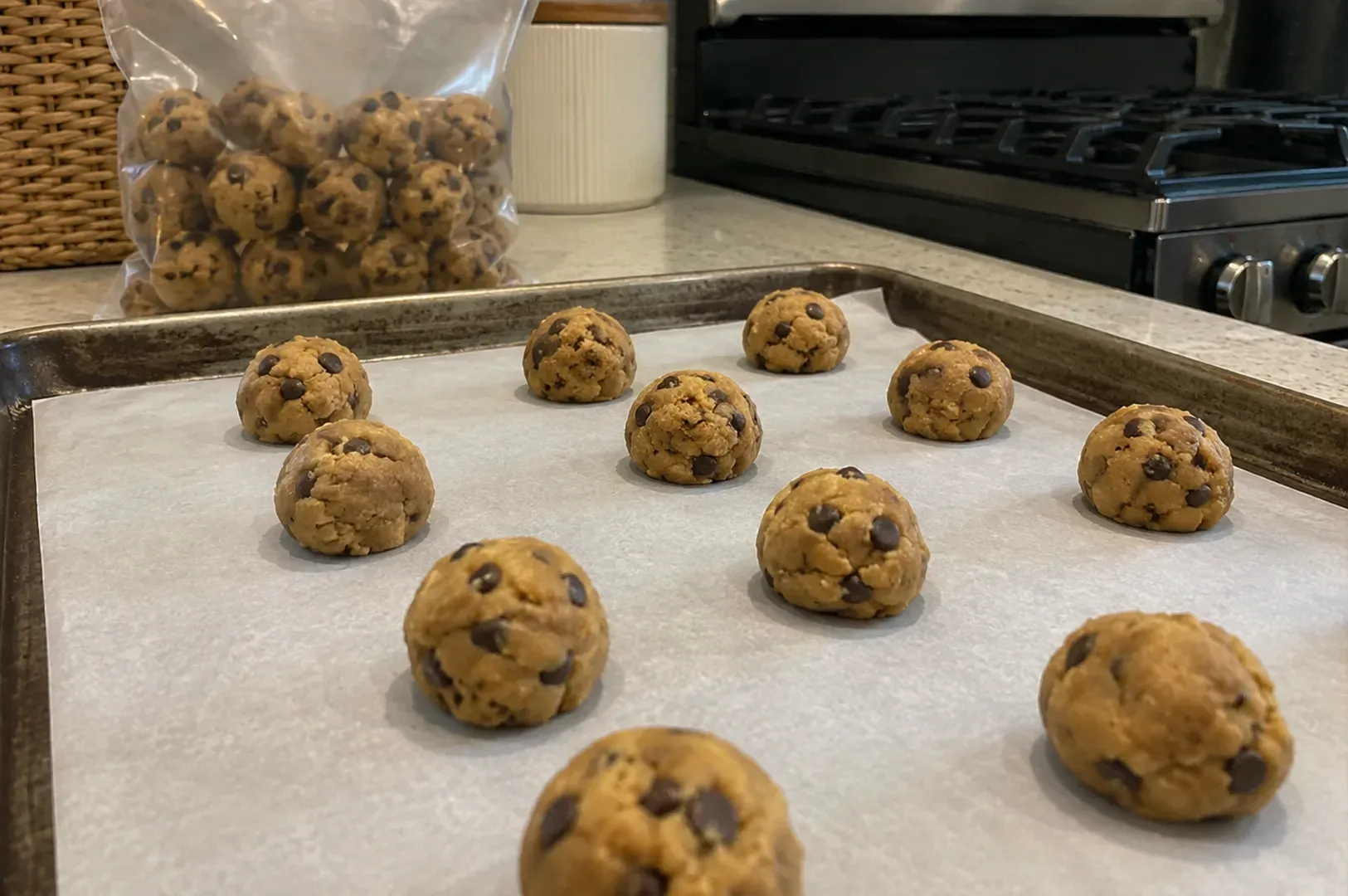
Freezing cookie dough is a great way to have fresh cookies anytime. Portion your chilled dough into cookie balls, place them on a parchment paper-lined baking sheet, and freeze until solid. Then transfer the dough balls to a freezer-safe bag or airtight container. You can bake cookies directly from frozen dough balls; just add a couple of minutes to the bake time.
My Personal FAQ: Answering Your Biggest Cookie Fears
Why did my chewy chocolate chip cookies turn cakey?
This usually happens for three reasons: you used too much flour, you added too much baking powder, or you overmixed the dough. Overmixing develops the gluten in the flour, making the cookie tough and puffy. Always mix gently just until combined.
Why are my cookies hard after cooling?
You likely baked them for too long. Remember, cookies continue to bake on the hot baking sheet after you take them out of the oven. Next time, try pulling them out two minutes earlier. They should look a bit gooey in the center when you remove them.
Do I need to freeze cookie dough?
You don't need to freeze it, but you definitely need to chill it. However, freezing dough balls is a fantastic hack. I like to freeze leftover dough balls in an
airtight container. When a craving hits, I can bake cookies straight from the freezer—just add an extra minute or two to the baking time!
Should I use milk chocolate or dark chocolate?
This is personal preference, but I always suggest dark chocolate or semisweet chocolate chips. Because chewy cookie recipes use a lot of brown sugar, milk chocolate can make the final bite far too sweet. Dark chocolate provides a beautiful, slightly bitter contrast.
My Final Thoughts on Baking the Perfect Cookie
Baking the best chocolate chip cookies doesn't require a professional kitchen or fancy equipment. It just requires a little bit of patience, an understanding of how your ingredients work together, and a willingness to embrace the learning process.
Do not let a failed batch discourage you. Even my worst, flattest, most overbaked cookies were still happily eaten by my family! The next time you step into your kitchen, try browning your butter, chopping up a bar of good chocolate, and giving your dough the time it needs to rest in the fridge. I promise you, that perfect, chewy chocolate chip cookie with the soft and chewy chocolate center is entirely within your reach. Happy baking!
Recent Posts