The Many Faces of Mochi All Over The Island
1. Warabi Mochi: The Delicately Soft Japanese Classic
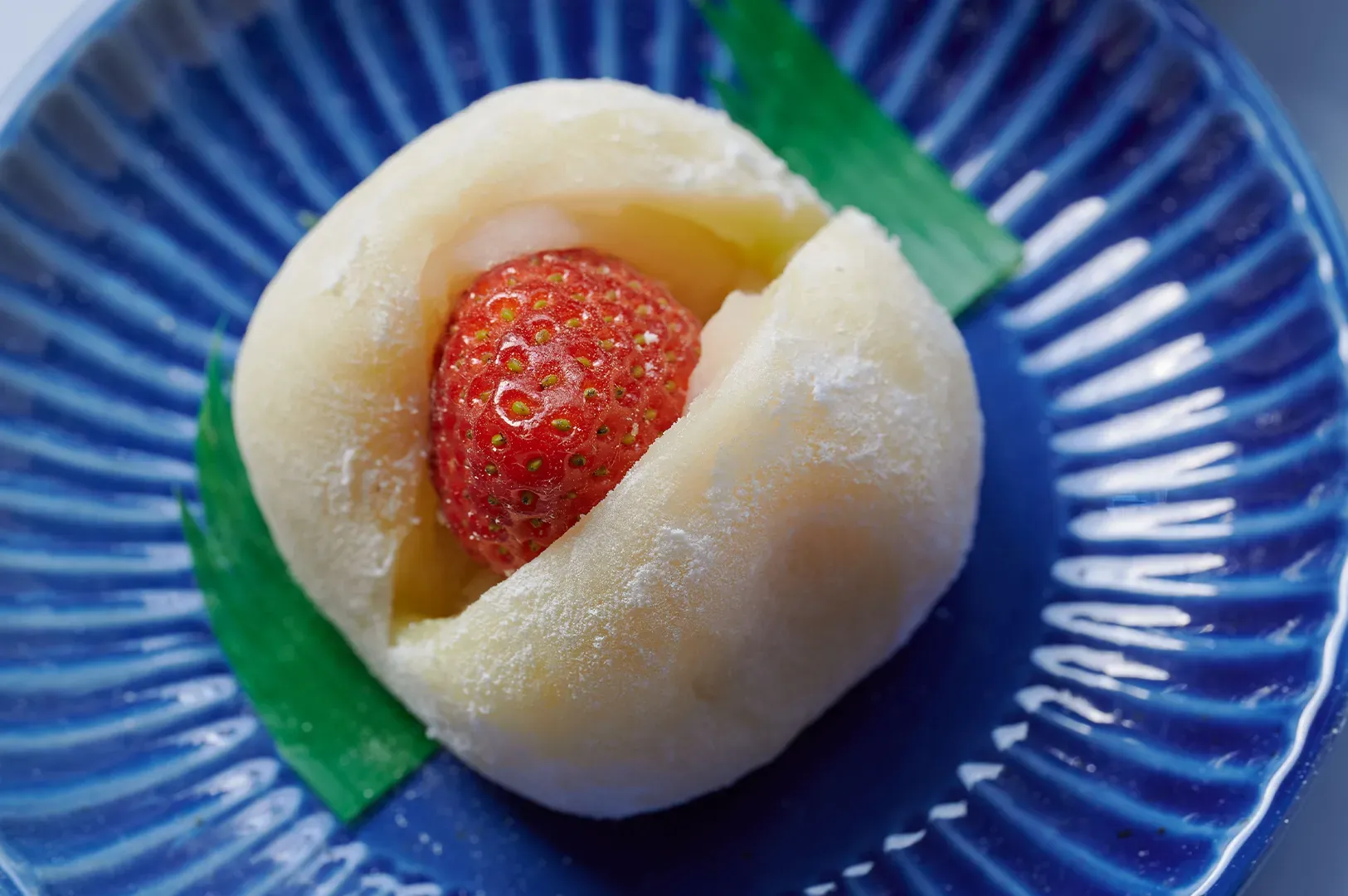
For a long time, the word mochi called to mind a fairly settled image: a small, pale round of pounded glutinous rice, dusted with a little flour, perhaps holding a spoonful of red bean paste at its centre. It was a quiet sort of sweet, unhurried and familiar.
Just like how the city has constantly elevated and even defied the rules of Japanese dishes such as ramen broths, sushi, and the like, what is interesting about mochi in Singapore now is how far that single word has stretched.
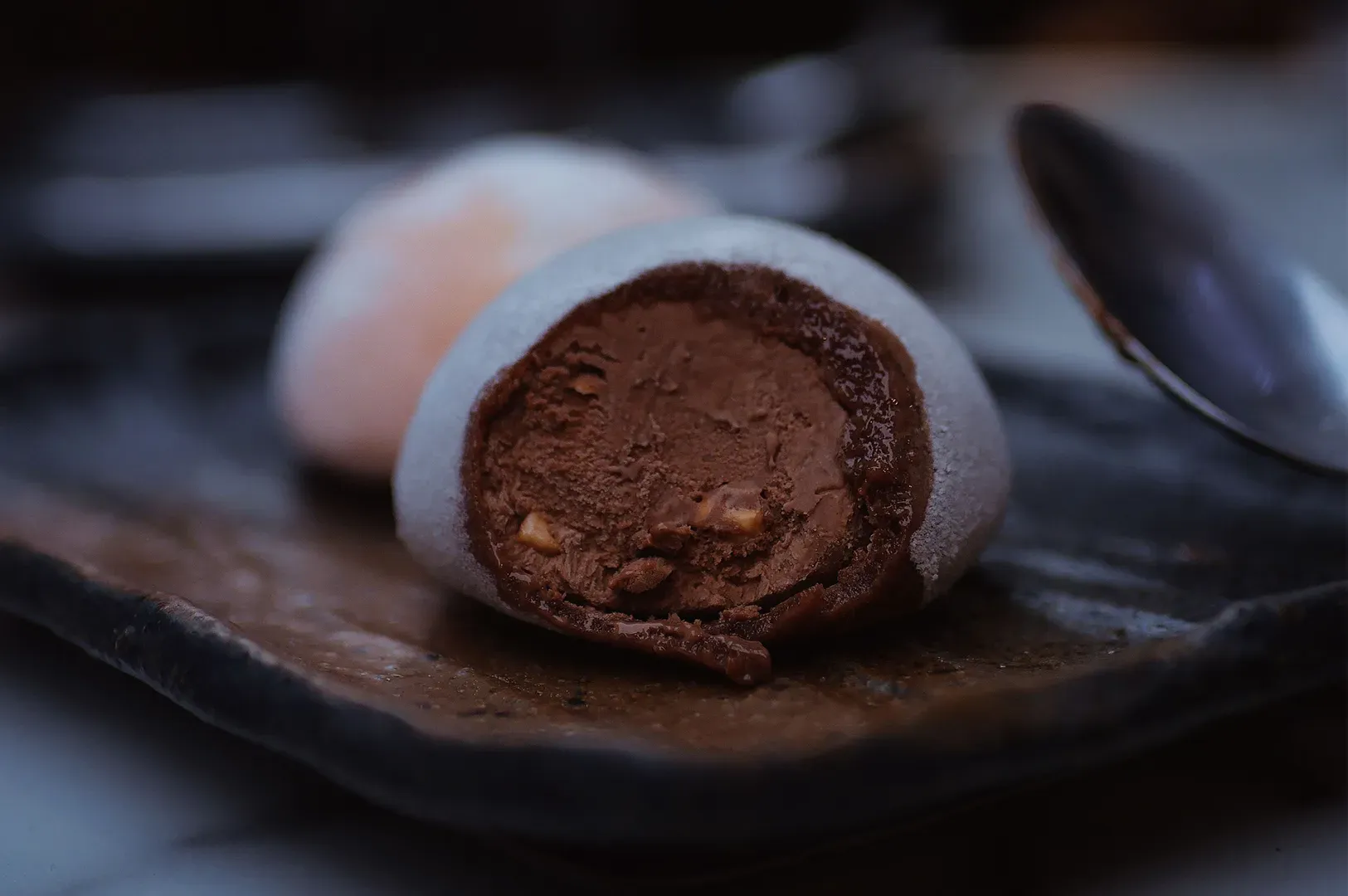
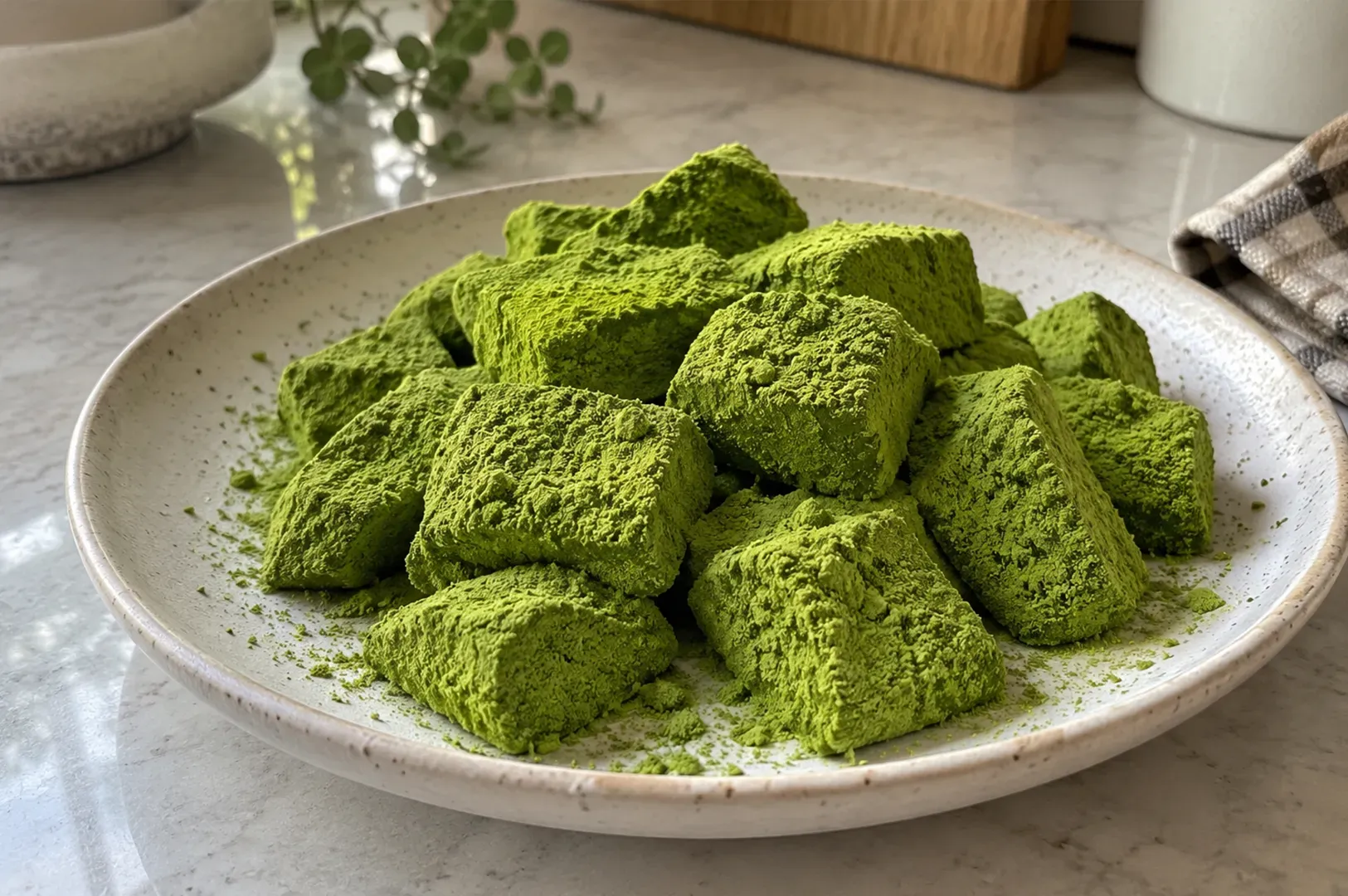
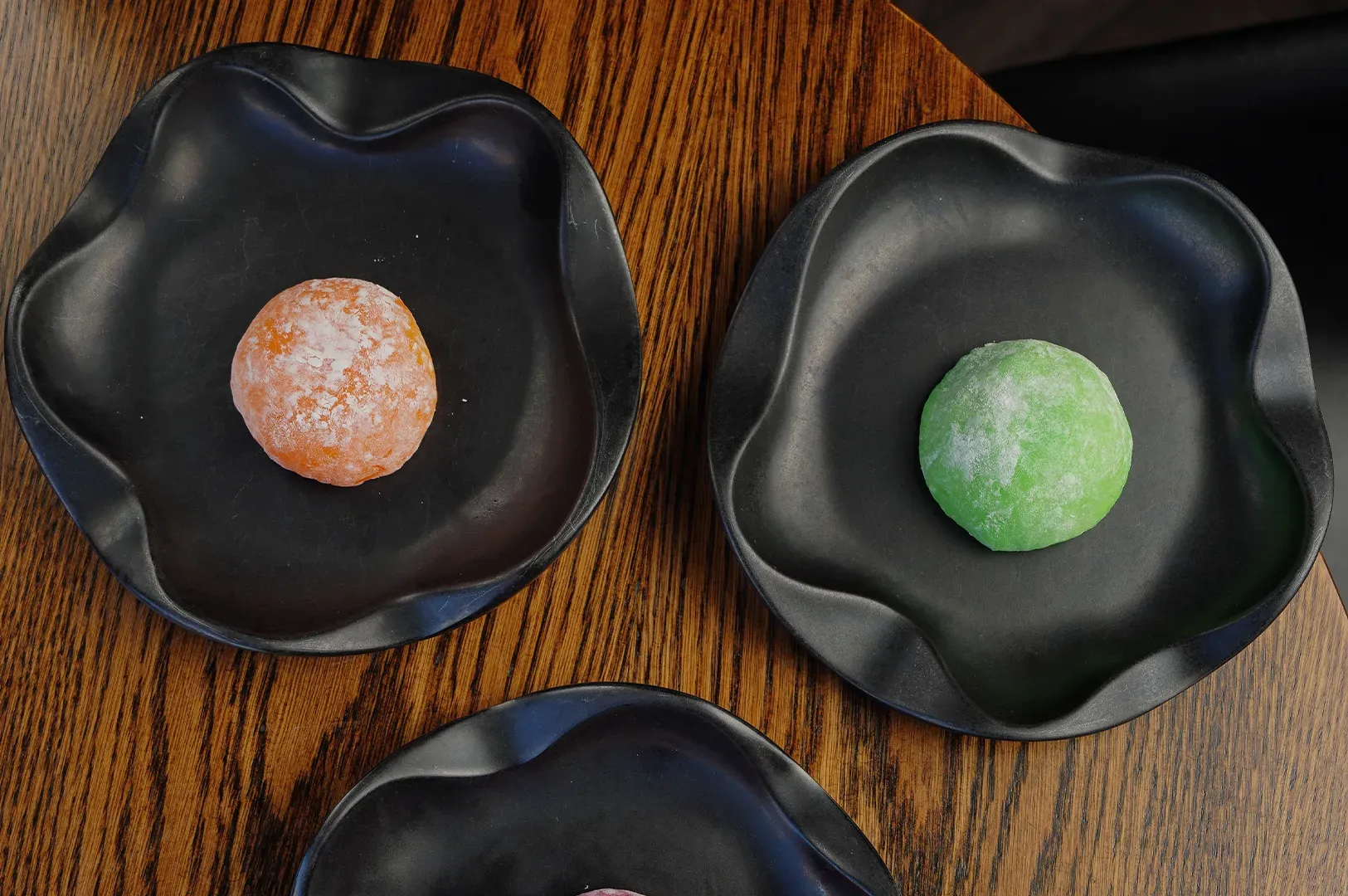
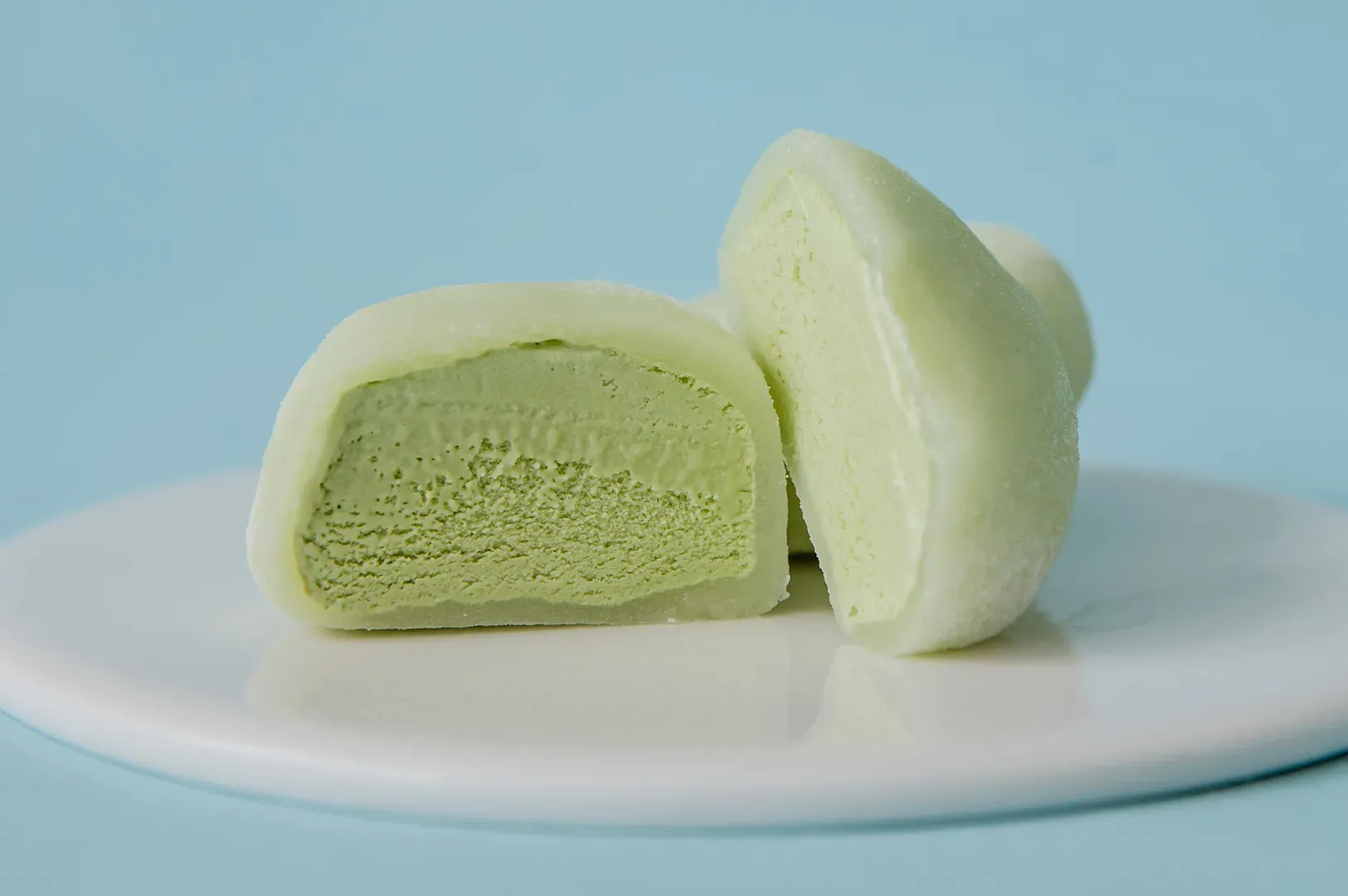
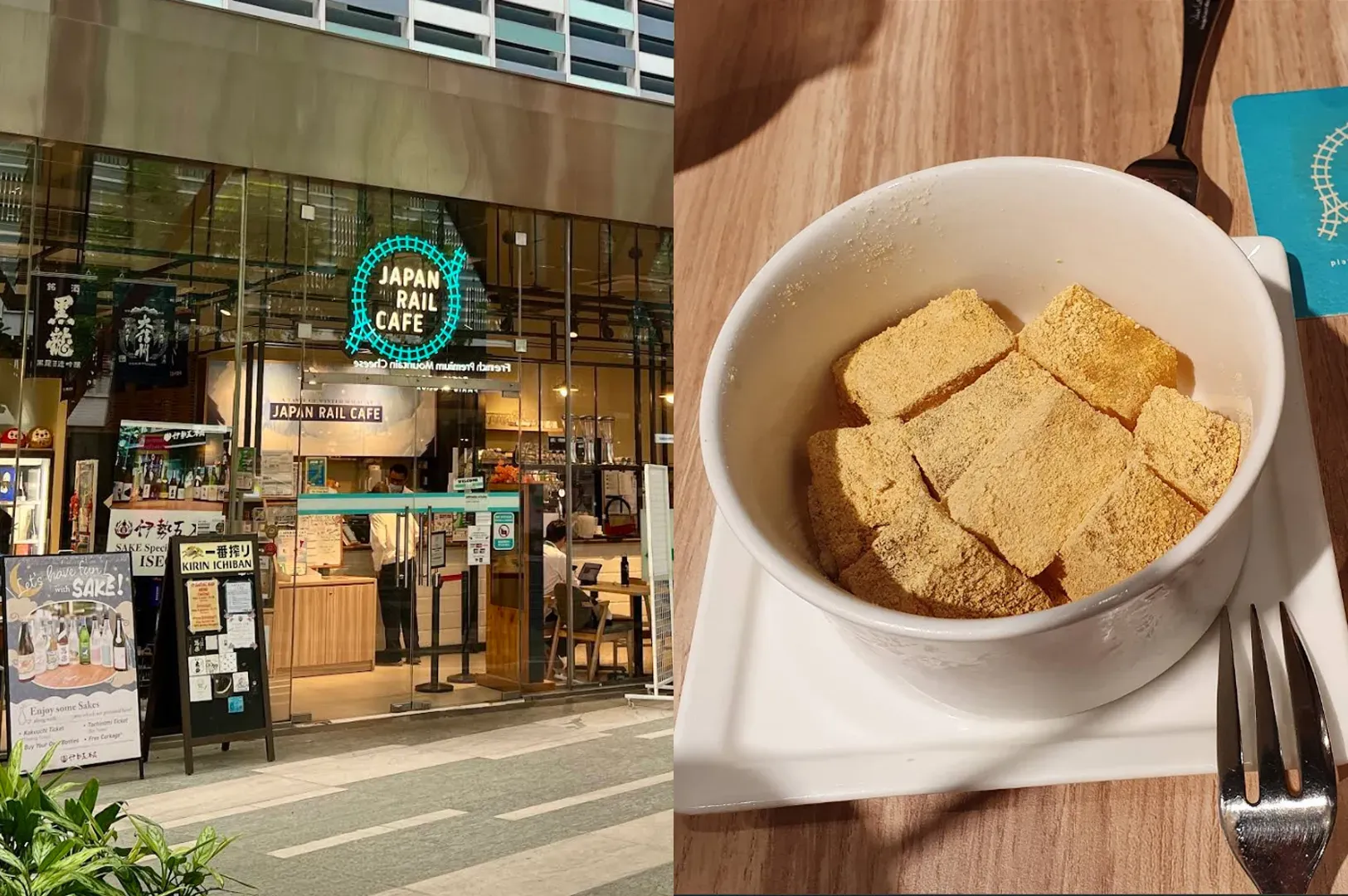
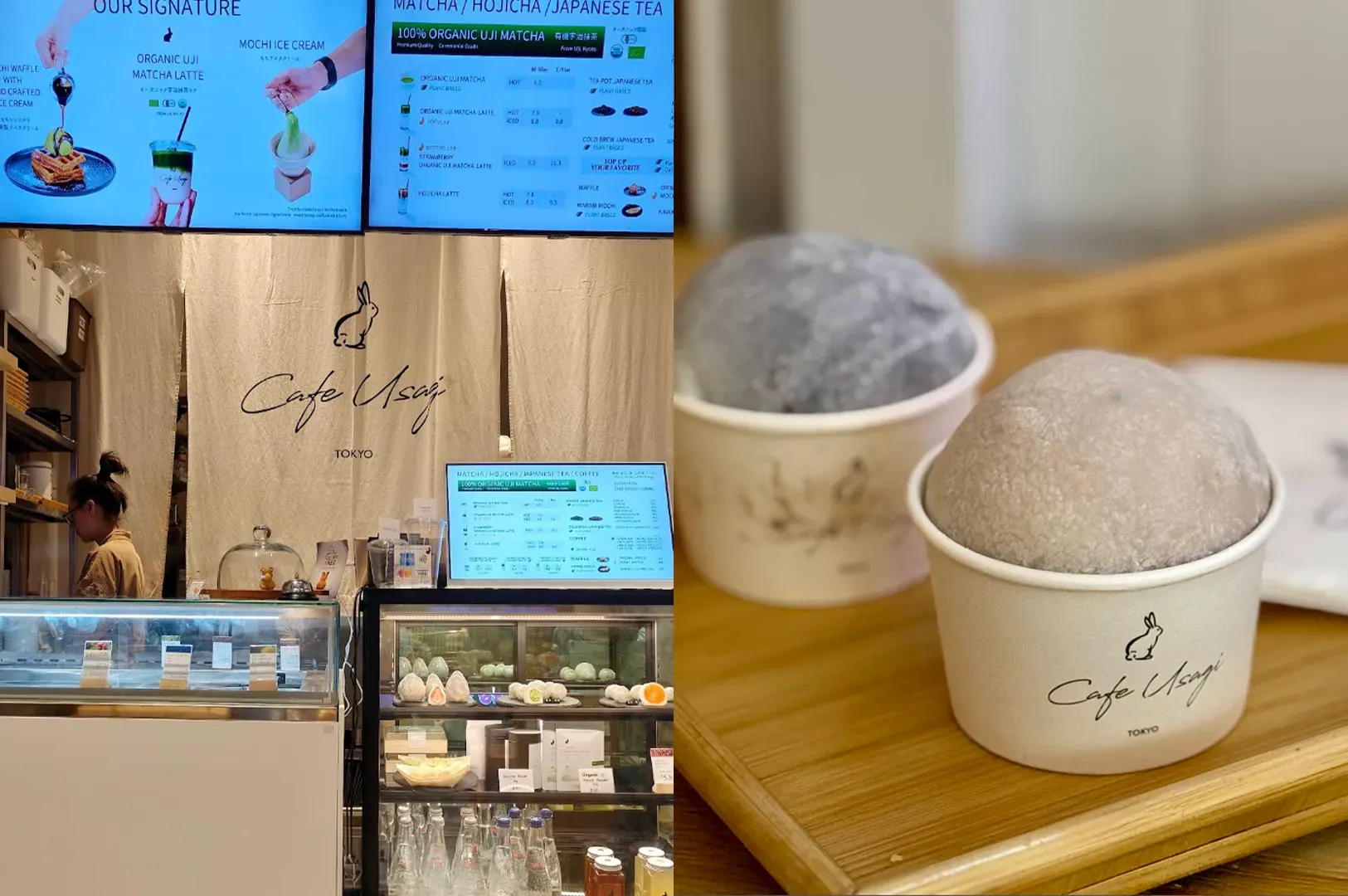
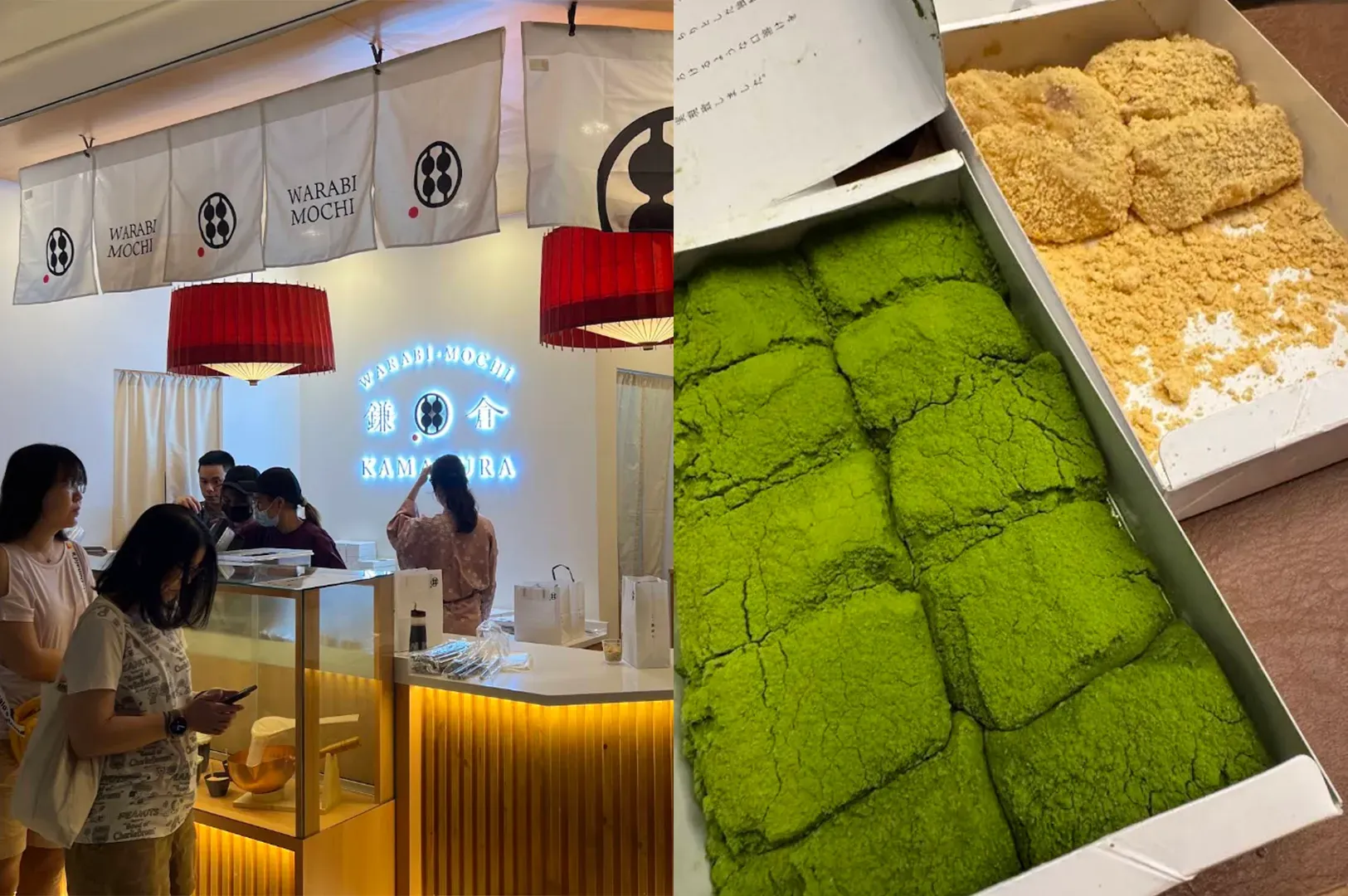
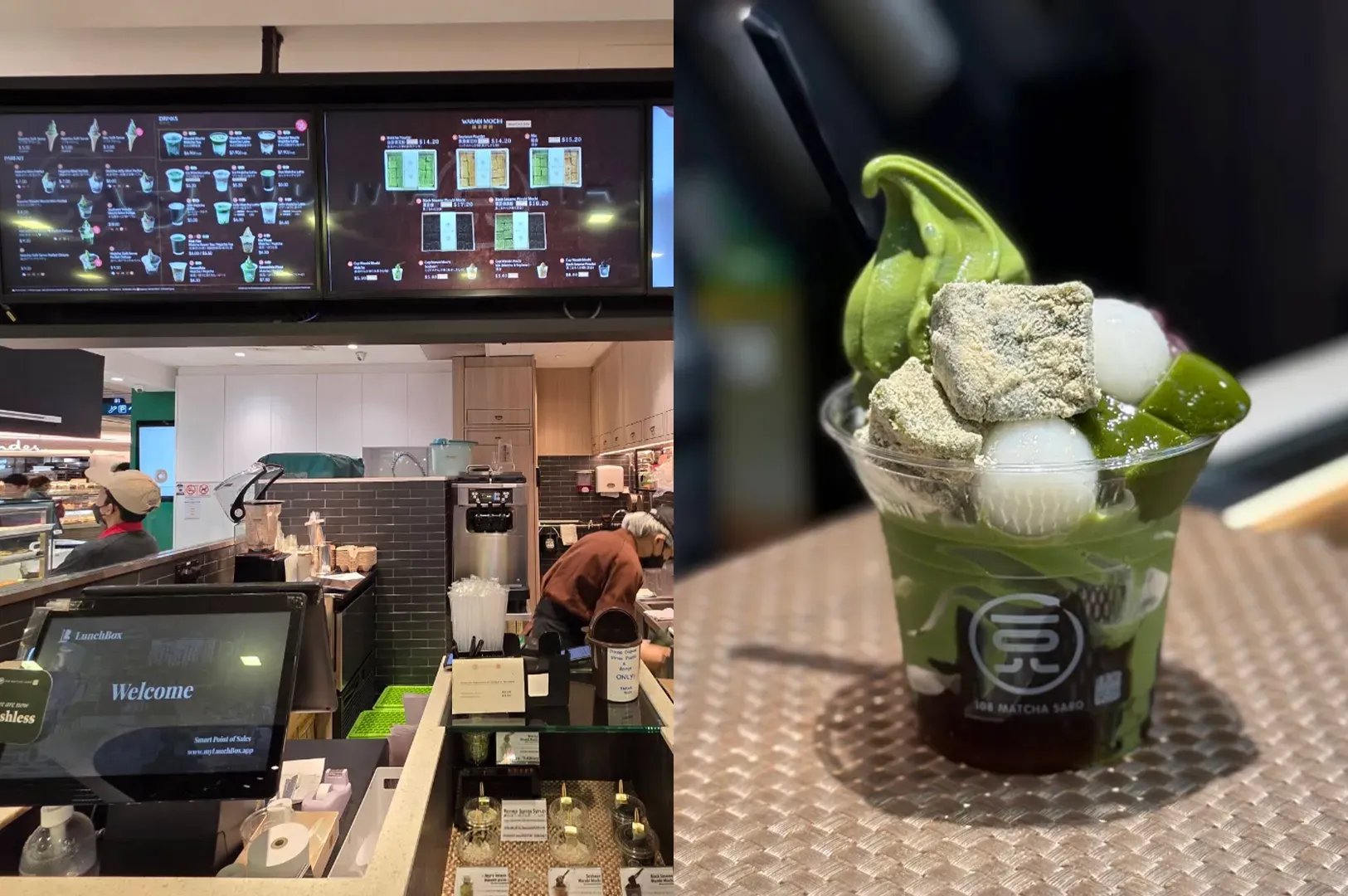
Order mochi around the island today and you might be handed warabi mochi that trembles on the spoon, a scoop of ice cream wrapped in a thin layer of dough, or a snowball folded around matcha and purple sweet potato. The fillings have grown bolder, the formats more varied, and the influences broader. Yet through all these changes, one thing keeps people coming back. It is not the flavour of the moment or the way a dessert looks in a display case.
It is the texture, that particular chew, soft and yielding and slightly resistant, that no other sweet treat quite replicates. This is a look at the different forms Japanese chewy mochi now takes here, and why that texture endures.
The Many Faces of Mochi All Over The Island
1. Warabi Mochi: The Delicately Soft Japanese Classic
For a long time, the word mochi called to mind a fairly settled image: a small, pale round of pounded glutinous rice, dusted with a little flour, perhaps holding a spoonful of red bean paste at its centre. It was a quiet sort of sweet, unhurried and familiar.
Just like how the city has constantly elevated and even defied the rules of Japanese dishes such as ramen broths, sushi, and the like, what is interesting about mochi in Singapore now is how far that single word has stretched.
Order mochi around the island today and you might be handed warabi mochi that trembles on the spoon, a scoop of ice cream wrapped in a thin layer of dough, or a snowball folded around matcha and purple sweet potato. The fillings have grown bolder, the formats more varied, and the influences broader. Yet through all these changes, one thing keeps people coming back. It is not the flavour of the moment or the way a dessert looks in a display case.
It is the texture, that particular chew, soft and yielding and slightly resistant, that no other sweet treat quite replicates. This is a look at the different forms Japanese chewy mochi now takes here, and why that texture endures.
The Many Faces of Mochi All Over The Island
1. Warabi Mochi: The Delicately Soft Japanese Classic
For a long time, the word mochi called to mind a fairly settled image: a small, pale round of pounded glutinous rice, dusted with a little flour, perhaps holding a spoonful of red bean paste at its centre. It was a quiet sort of sweet, unhurried and familiar.
Just like how the city has constantly elevated and even defied the rules of Japanese dishes such as ramen broths, sushi, and the like, what is interesting about mochi in Singapore now is how far that single word has stretched.
Order mochi around the island today and you might be handed warabi mochi that trembles on the spoon, a scoop of ice cream wrapped in a thin layer of dough, or a snowball folded around matcha and purple sweet potato. The fillings have grown bolder, the formats more varied, and the influences broader. Yet through all these changes, one thing keeps people coming back. It is not the flavour of the moment or the way a dessert looks in a display case.
It is the texture, that particular chew, soft and yielding and slightly resistant, that no other sweet treat quite replicates. This is a look at the different forms Japanese chewy mochi now takes here, and why that texture endures.
The Many Faces of Mochi All Over The Island
1. Warabi Mochi: The Delicately Soft Japanese Classic
For a long time, the word mochi called to mind a fairly settled image: a small, pale round of pounded glutinous rice, dusted with a little flour, perhaps holding a spoonful of red bean paste at its centre. It was a quiet sort of sweet, unhurried and familiar.
Just like how the city has constantly elevated and even defied the rules of Japanese dishes such as ramen broths, sushi, and the like, what is interesting about mochi in Singapore now is how far that single word has stretched.
Order mochi around the island today and you might be handed warabi mochi that trembles on the spoon, a scoop of ice cream wrapped in a thin layer of dough, or a snowball folded around matcha and purple sweet potato. The fillings have grown bolder, the formats more varied, and the influences broader. Yet through all these changes, one thing keeps people coming back. It is not the flavour of the moment or the way a dessert looks in a display case.
It is the texture, that particular chew, soft and yielding and slightly resistant, that no other sweet treat quite replicates. This is a look at the different forms Japanese chewy mochi now takes here, and why that texture endures.
The Many Faces of Mochi All Over The Island
1. Warabi Mochi: The Delicately Soft Japanese Classic
For a long time, the word mochi called to mind a fairly settled image: a small, pale round of pounded glutinous rice, dusted with a little flour, perhaps holding a spoonful of red bean paste at its centre. It was a quiet sort of sweet, unhurried and familiar.
Just like how the city has constantly elevated and even defied the rules of Japanese dishes such as ramen broths, sushi, and the like, what is interesting about mochi in Singapore now is how far that single word has stretched.
Order mochi around the island today and you might be handed warabi mochi that trembles on the spoon, a scoop of ice cream wrapped in a thin layer of dough, or a snowball folded around matcha and purple sweet potato. The fillings have grown bolder, the formats more varied, and the influences broader. Yet through all these changes, one thing keeps people coming back. It is not the flavour of the moment or the way a dessert looks in a display case.
It is the texture, that particular chew, soft and yielding and slightly resistant, that no other sweet treat quite replicates. This is a look at the different forms Japanese chewy mochi now takes here, and why that texture endures.
The Many Faces of Mochi All Over The Island
1. Warabi Mochi: The Delicately Soft Japanese Classic
For a long time, the word mochi called to mind a fairly settled image: a small, pale round of pounded glutinous rice, dusted with a little flour, perhaps holding a spoonful of red bean paste at its centre. It was a quiet sort of sweet, unhurried and familiar.
Just like how the city has constantly elevated and even defied the rules of Japanese dishes such as ramen broths, sushi, and the like, what is interesting about mochi in Singapore now is how far that single word has stretched.
Order mochi around the island today and you might be handed warabi mochi that trembles on the spoon, a scoop of ice cream wrapped in a thin layer of dough, or a snowball folded around matcha and purple sweet potato. The fillings have grown bolder, the formats more varied, and the influences broader. Yet through all these changes, one thing keeps people coming back. It is not the flavour of the moment or the way a dessert looks in a display case.
It is the texture, that particular chew, soft and yielding and slightly resistant, that no other sweet treat quite replicates. This is a look at the different forms Japanese chewy mochi now takes here, and why that texture endures.
The Many Faces of Mochi All Over The Island
1. Warabi Mochi: The Delicately Soft Japanese Classic
For a long time, the word mochi called to mind a fairly settled image: a small, pale round of pounded glutinous rice, dusted with a little flour, perhaps holding a spoonful of red bean paste at its centre. It was a quiet sort of sweet, unhurried and familiar.
Just like how the city has constantly elevated and even defied the rules of Japanese dishes such as ramen broths, sushi, and the like, what is interesting about mochi in Singapore now is how far that single word has stretched.
Order mochi around the island today and you might be handed warabi mochi that trembles on the spoon, a scoop of ice cream wrapped in a thin layer of dough, or a snowball folded around matcha and purple sweet potato. The fillings have grown bolder, the formats more varied, and the influences broader. Yet through all these changes, one thing keeps people coming back. It is not the flavour of the moment or the way a dessert looks in a display case.
It is the texture, that particular chew, soft and yielding and slightly resistant, that no other sweet treat quite replicates. This is a look at the different forms Japanese chewy mochi now takes here, and why that texture endures.
The Many Faces of Mochi All Over The Island
1. Warabi Mochi: The Delicately Soft Japanese Classic
For a long time, the word mochi called to mind a fairly settled image: a small, pale round of pounded glutinous rice, dusted with a little flour, perhaps holding a spoonful of red bean paste at its centre. It was a quiet sort of sweet, unhurried and familiar.
Just like how the city has constantly elevated and even defied the rules of Japanese dishes such as ramen broths, sushi, and the like, what is interesting about mochi in Singapore now is how far that single word has stretched.
Order mochi around the island today and you might be handed warabi mochi that trembles on the spoon, a scoop of ice cream wrapped in a thin layer of dough, or a snowball folded around matcha and purple sweet potato. The fillings have grown bolder, the formats more varied, and the influences broader. Yet through all these changes, one thing keeps people coming back. It is not the flavour of the moment or the way a dessert looks in a display case.
It is the texture, that particular chew, soft and yielding and slightly resistant, that no other sweet treat quite replicates. This is a look at the different forms Japanese chewy mochi now takes here, and why that texture endures.
The Many Faces of Mochi All Over The Island
1. Warabi Mochi: The Delicately Soft Japanese Classic
For a long time, the word mochi called to mind a fairly settled image: a small, pale round of pounded glutinous rice, dusted with a little flour, perhaps holding a spoonful of red bean paste at its centre. It was a quiet sort of sweet, unhurried and familiar.
Just like how the city has constantly elevated and even defied the rules of Japanese dishes such as ramen broths, sushi, and the like, what is interesting about mochi in Singapore now is how far that single word has stretched.
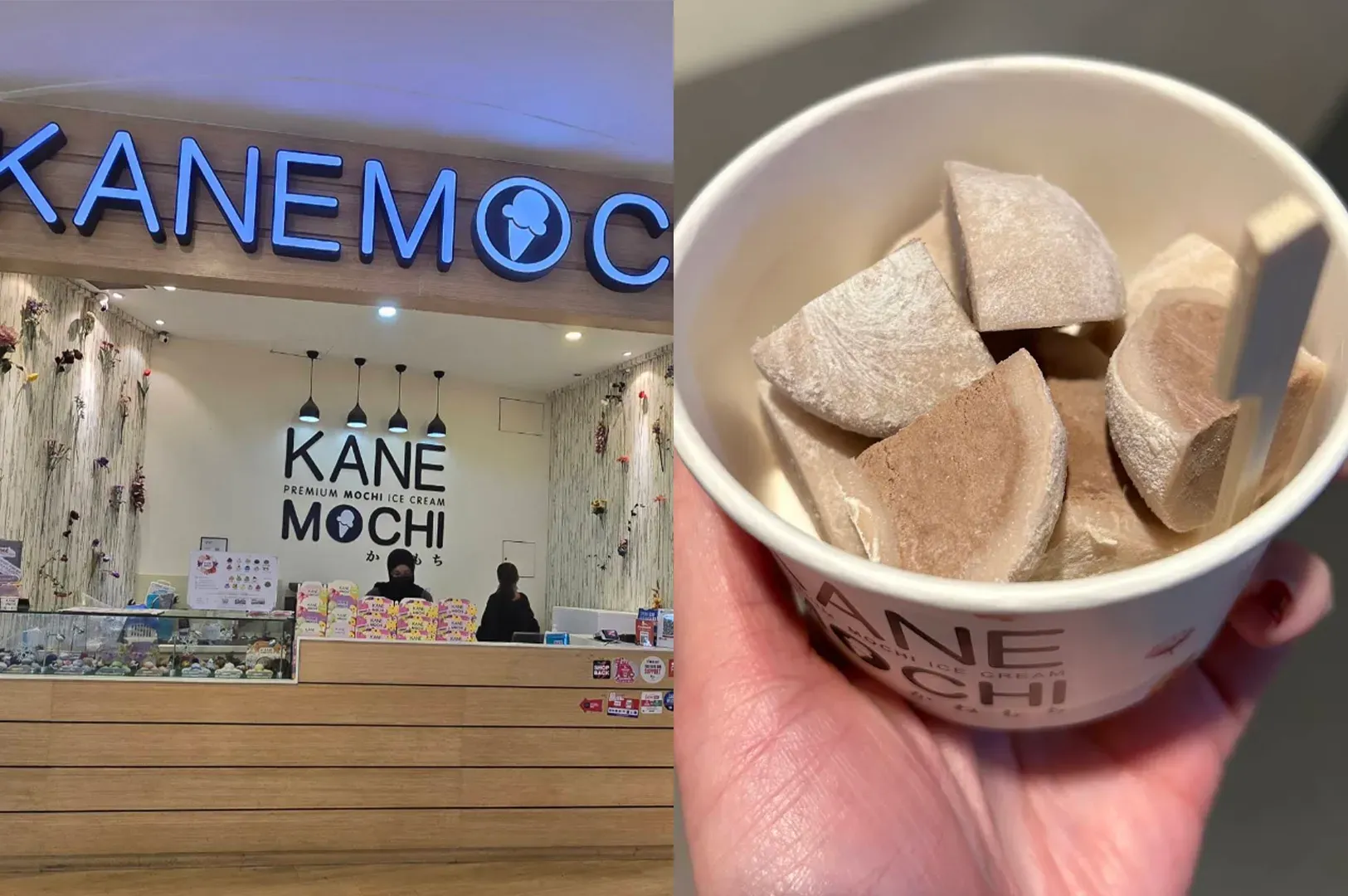
Order mochi around the island today and you might be handed warabi mochi that trembles on the spoon, a scoop of ice cream wrapped in a thin layer of dough, or a snowball folded around matcha and purple sweet potato. The fillings have grown bolder, the formats more varied, and the influences broader. Yet through all these changes, one thing keeps people coming back. It is not the flavour of the moment or the way a dessert looks in a display case.
It is the texture, that particular chew, soft and yielding and slightly resistant, that no other sweet treat quite replicates. This is a look at the different forms Japanese chewy mochi now takes here, and why that texture endures.
The Many Faces of Mochi All Over The Island
1. Warabi Mochi: The Delicately Soft Japanese Classic
For a long time, the word mochi called to mind a fairly settled image: a small, pale round of pounded glutinous rice, dusted with a little flour, perhaps holding a spoonful of red bean paste at its centre. It was a quiet sort of sweet, unhurried and familiar.
Just like how the city has constantly elevated and even defied the rules of Japanese dishes such as ramen broths, sushi, and the like, what is interesting about mochi in Singapore now is how far that single word has stretched.
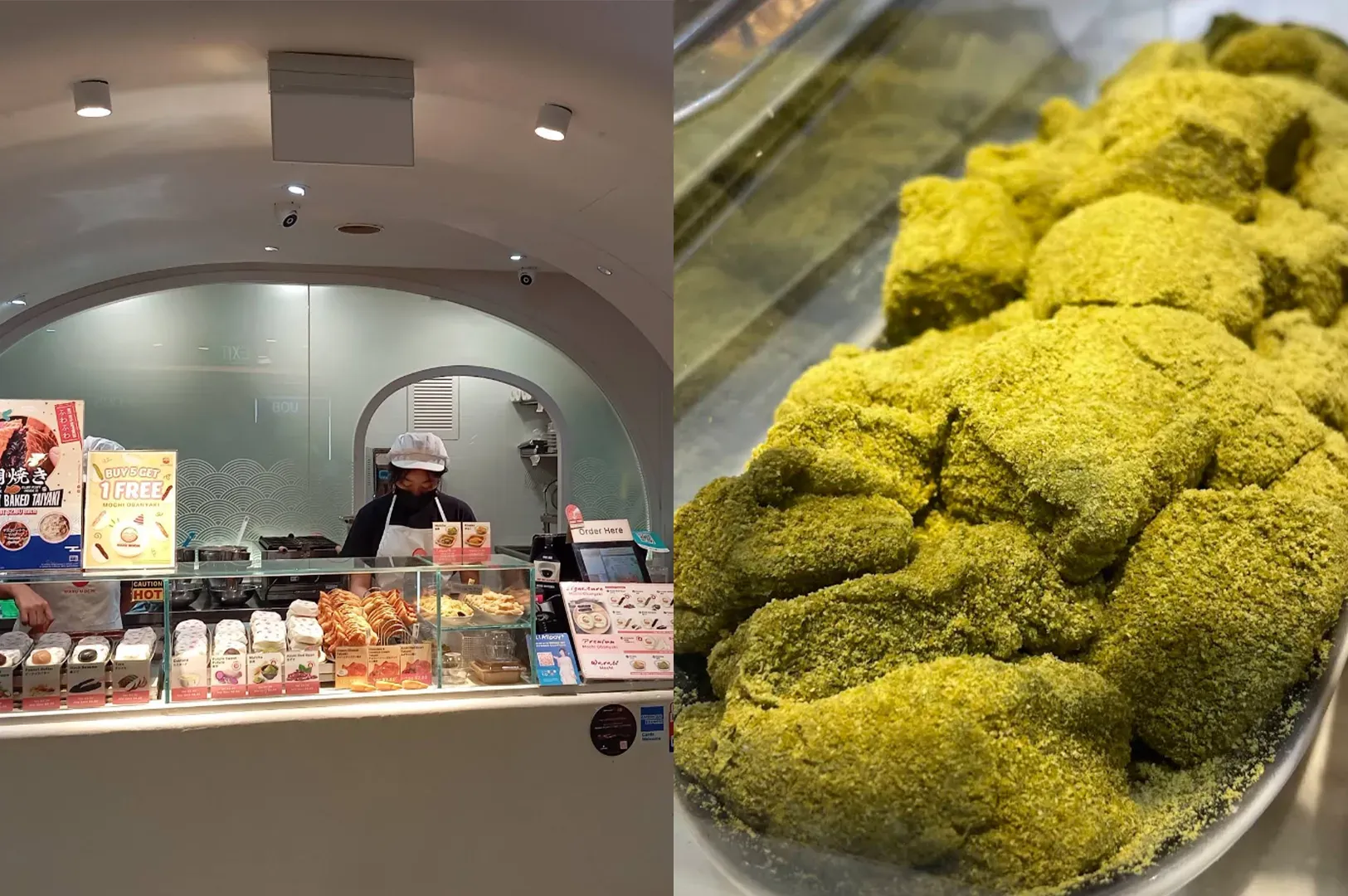
Order mochi around the island today and you might be handed warabi mochi that trembles on the spoon, a scoop of ice cream wrapped in a thin layer of dough, or a snowball folded around matcha and purple sweet potato. The fillings have grown bolder, the formats more varied, and the influences broader. Yet through all these changes, one thing keeps people coming back. It is not the flavour of the moment or the way a dessert looks in a display case.
It is the texture, that particular chew, soft and yielding and slightly resistant, that no other sweet treat quite replicates. This is a look at the different forms Japanese chewy mochi now takes here, and why that texture endures.